REVIEW · COOKING CLASSES
Cooking Class with Private Chef – prepare & enjoy local menu
Book on Viator →Operated by To Spitiko Mas · Bookable on Viator
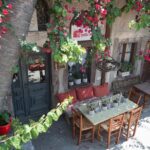
Hands-on Santorini food beats any cookbook. In Megalochori at To Spitiko Mas, you cook and eat in a cave-house style setting, or under the shade of a bougainvillea tree, while enjoying local Assyrtiko wine. You’ll learn the recipes as you go, with the chef connecting dishes to family stories, including what he learned from his grandmother.
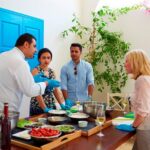
I like that this class isn’t just watching. You help make the Santorini salad, fava bean spread, tomato fritters, garlic pasta, and the island’s halva dessert. I also like the pacing: wine is served during the prep and again at lunch, so the meal feels like one shared experience, not an afterthought.
One consideration: the kitchen is in an older home, so space is tight and your hands-on cooking time may be limited (think stirring, chopping, and assisting more than heavy cooking). Also, the menu is vegetarian, so if you’re craving meat or fish, this won’t match that.
In This Review
- Key highlights you’ll care about
- Cooking in a real Santorini home at To Spitiko Mas
- Your 11:00am-to-lunch flow in Megalochori
- The vegetarian Santorini menu you’ll make step-by-step
- Starter 1: Santorini salad
- Starter 2: Fava bean spread
- Starter 3: Tomato fritters
- Main: Santorini garlic pasta
- Dessert: Halva
- Assyrtiko wine during prep and lunch: what to expect
- The hands-on level: small kitchen, real involvement, tight space
- Price and value: what $130.18 buys you
- Who should book this cooking class
- Practical tips to make the most of it
- Should you book this Santorini cooking class?
- FAQ
- FAQ
- What is the duration of the cooking class?
- What time does the experience start?
- Where does the class take place?
- Is the class offered in English?
- Is wine included in the experience?
- What menu items are included?
- Is the menu vegetarian?
- What does the price include?
- Is private transportation included?
- Can I cancel for a full refund?
Key highlights you’ll care about
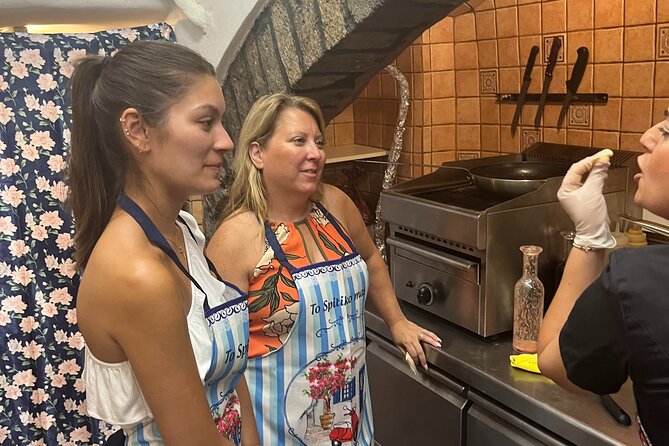
- Cave-house charm in Megalochori: lunch happens in a traditional setting, not a sterile studio
- A full island lunch you assemble together: starters, main, and dessert, all made by your hands
- Assyrtiko wine served during prep and lunch: you’re tasting while learning
- Vegetarian Santorini classics: fava, feta, olives, capers, garlic pasta, and halva
- Small group size: up to 15 people, so the chef can actually talk you through steps
Cooking in a real Santorini home at To Spitiko Mas
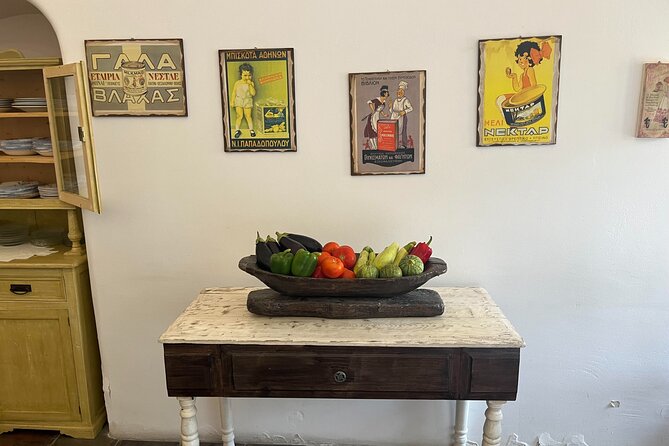
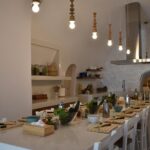
This class is about place as much as food. You start at To Spitiko Mas in Megalochori, and you’re not stuck in a modern commercial kitchen. Instead, you cook and eat in a traditional home vibe—often described as a cave-house style experience—with bougainvillea nearby if the group shifts outside.
That matters because it changes how the class feels. You’re not just learning recipes. You’re stepping into the same kind of daily rhythm Santorini families used for generations: make something from local staples, keep it simple, then enjoy it together.
The chef also brings the recipes to life with stories, including family connections (like notes passed down from a grandmother). That kind of context helps you understand why certain ingredients show up again and again: tomatoes, olives, capers, feta, garlic, and the sweet-and-spiced dessert tradition that ends the meal.
You can also read our reviews of more private tours in Santorini


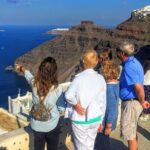
Your 11:00am-to-lunch flow in Megalochori
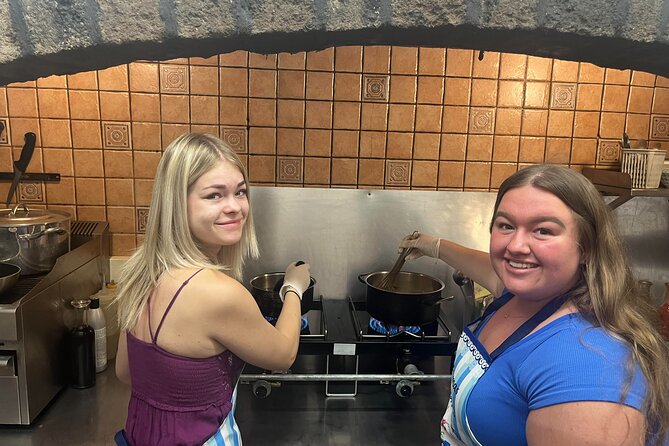
The experience runs about 3 hours, starting at 11:00am and ending back where you meet. The structure is straightforward, and that’s a good thing. You’ll spend the morning cooking, then you’ll sit down to eat what you made.
Here’s what the flow looks like, in practical terms:
First, you’ll work through the menu components in sequence—starters, then main, then dessert. Throughout the cooking time, local Assyrtiko wine is served, so you can relax into the steps instead of feeling like you’re rushing between stations.
Then you’ll enjoy lunch in the traditional setting—either in the cave-house environment or outside under the bougainvillea tree, depending on the setup that day. Since the meal is the end result of your prep, you don’t wonder what you’re eating or whether the food will match your efforts. It will. The same dishes you helped assemble are what you share at the table.
Because this is a small group (maximum 15), expect more real interaction than the typical mass-tour cooking show. You should still be ready for the fact that the kitchen is not huge.
The vegetarian Santorini menu you’ll make step-by-step
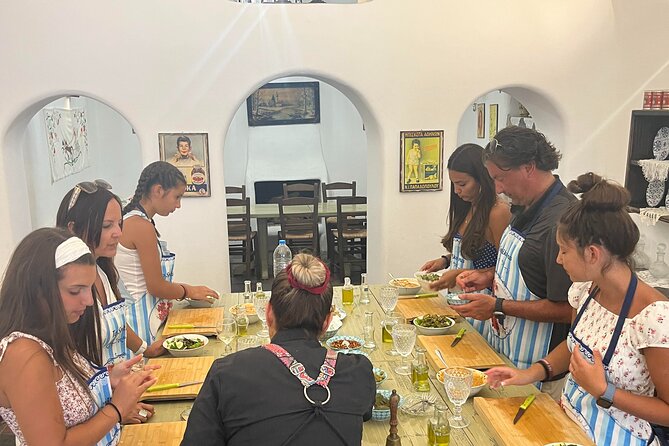
This class is built around a classic Santorini lunch. The best part is that you’re not just tasting. You’re assembling real island dishes from recognizable ingredients, like tomatoes, olives, capers, feta, and garlic.
Also: the entire menu is vegetarian (including the pasta). There’s no meat or other protein items in the sample menu list. So if your ideal Greek meal includes seafood or chicken, you’ll want to plan around that.
Starter 1: Santorini salad
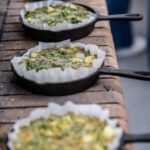
You’ll make a Santorini salad with local tomatoes plus cucumber, green bell pepper, onion, olives, capers, and feta cheese. This is the kind of salad where the ingredients do the talking. Nothing is trying to be fancy. It’s about balance—cool crunch from vegetables, salty bite from olives and capers, and creamy texture from feta.
What I like about learning this first is that it sets the theme for the rest of the class: local produce, strong flavors, and no shortcuts.
Starter 2: Fava bean spread
Next comes fava bean spread, the local and famous version that shows up across Greek islands. Even if you’ve had fava dip before, this is a good chance to learn how it fits into a Santorini table—paired with other flavors rather than standing alone.
In terms of hands-on work, you’ll likely be prepping and mixing components more than doing something technical. That actually works well for a class in a smaller older kitchen, because everyone can help without everyone needing the same exact tool at the same exact time.
You can also read our reviews of more cooking classes in Santorini

Starter 3: Tomato fritters
Then you’ll work on tomato fritters, made with local tomatoes plus flour, spices, and herbs. This is where the kitchen energy usually turns up. You’ll be contributing with chopping, mixing, or other prep tasks, and the aromas start to feel like proper lunch cooking.
It’s also a great lesson in island cooking logic: if tomatoes are the star, you don’t only use them raw. You turn them into something crispy and satisfying.
Main: Santorini garlic pasta
The main is Santorini garlic pasta—pasta in a red sauce with lots of garlic. Garlic in Greece isn’t shy. This dish is built for people who actually like bold flavor and don’t treat garlic as optional.
The big practical point: the class menu is vegetarian, but it isn’t bland. Garlic pasta gives you that savory depth that makes a vegetarian meal feel complete.
Dessert: Halva
Finally, you’ll make halva, a traditional local dessert with semolina, Santorini dried grapes, syrup, and cinnamon. Halva is one of those desserts that tastes like it has many tiny parts working together. The semolina gives body, cinnamon adds warmth, syrup brings sweetness and stickiness, and those dried grapes add a distinctly island flavor.
Since the experience calls out baking a local dessert, think of this as your sweet finish that you help prepare, then enjoy right after lunch—so you’re not just learning technique for later.
Assyrtiko wine during prep and lunch: what to expect
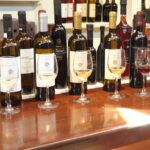
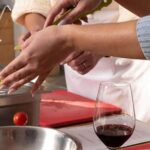
The class includes local Santorini Assyrtiko wine, served throughout preparation and during lunch. That’s a big value point, because wine at Greek meals is often part of how locals keep the conversation going.
What it means for your experience: you won’t feel like you’re doing a dry, purely educational activity. Instead, it feels like a shared table moment from the start.
If you’re sensitive to alcohol, just pace yourself. You’ll likely be cooking and moving around a bit, and you don’t want to go from chopping tomatoes to feeling foggy right at lunch.
The hands-on level: small kitchen, real involvement, tight space
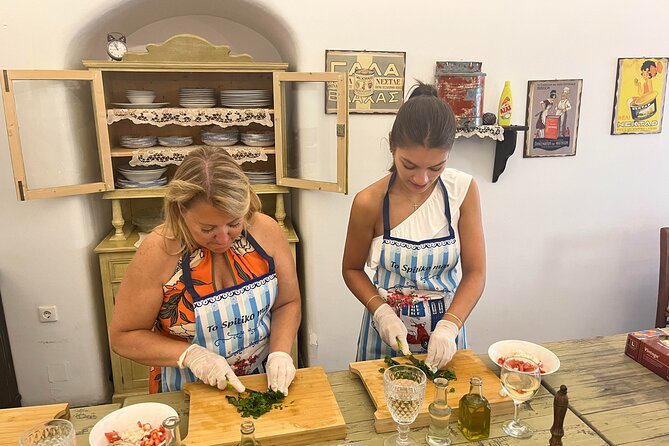
Here’s the honest part. This is held in an older home, and kitchens in that style tend to be small. That can limit how much actual cooking each person can do at the same time.
From my perspective, the upside is you still get included. You’re stirring, slicing, mixing, and helping with the flow, and the chef guides you through what matters. You aren’t watching from a safe distance.
The drawback is that your role may be more assistant than main chef, depending on the moment and how crowded the workspace feels. So if your dream is to run a station with lots of space and full control over burners and pots, you might find it more communal than that.
Still, I think it’s worth it for two reasons: you get a full menu outcome, and you learn the ingredients and logic behind the dishes, not just the motion of cooking.
Price and value: what $130.18 buys you
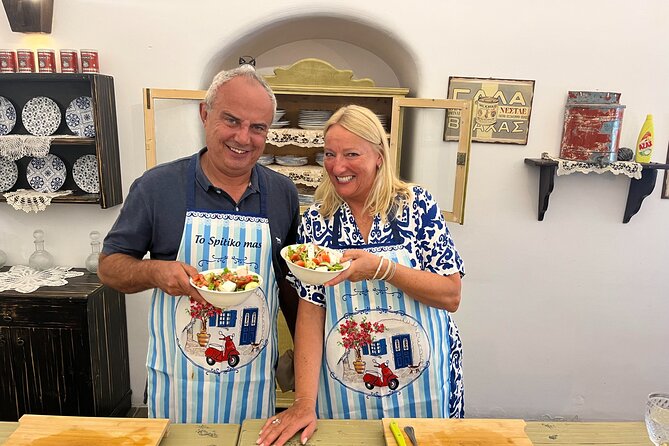
At $130.18 per person, this isn’t a cheap lunch-and-walk experience. But it does include a lot of what usually costs extra on Santorini.
You’re getting:
- All equipment used during class
- All products/ingredients used during class
- Local Assyrtiko wine
- Lunch consisting of the menu you prepare
So the price is covering the chef time, the entire ingredient set, and the meal itself—plus wine. You also get a small group size (max 15), and it’s offered in English. And you don’t have to bring or arrange anything special for the cooking side.
The one thing not included is private transportation. That’s normal for many Santorini activities, and the meeting place is near public transportation, so you can usually plan around that without paying for an added transfer.
If you’re looking for a “taste of Santorini” that turns into a real meal you helped make, the value makes sense. If you’re only interested in eating, you could find cheaper options—but they won’t give you the same hands-on learning payoff.
Who should book this cooking class
This is a strong fit if you want:
- A traditional Santorini lunch menu you can recreate later
- A class with a chef who explains recipes and ties them to family background
- A smaller group experience (max 15) where you can talk and ask questions
- Vegetarian-friendly meal focus
It may be less ideal if:
- You need a menu with meat or seafood (this menu is vegetarian)
- You expect lots of stove-time and big open workspace
- You’d rather do a tour that’s mostly sightseeing than cooking and eating
Practical tips to make the most of it
Here are a few ways to maximize your time, based on how these classes actually work in a traditional older home kitchen:
- Come hungry and ready to participate. You’ll enjoy the wine and food more when you’re fully present during prep.
- Ask questions early. The chef guidance is part of the value, and the pacing moves from starters to main to dessert.
- Lean into vegetarian. This menu is built around flavor power—fava, feta, garlic, olives, capers, tomatoes—so treat it like a feature, not a compromise.
- Expect limited workspace. If you’re the kind of person who hates feeling cramped in kitchens, adjust your expectations. The class is still interactive.
- Plan your route to Megalochori. Private transportation isn’t included, though the meeting point is near public transport.
Should you book this Santorini cooking class?
I’d book it if you want a real meal tied to local ingredients and you’re happy to spend the late morning cooking, chatting, and then eating what you made. The combination of a complete menu, included Assyrtiko, and the traditional cave-house/bougainvillea setting makes it feel like something you’ll remember for the taste, not just the novelty.
Skip it if you’re hunting for meat-based Greek dishes, or if you need a large, modern kitchen where you control every step. This experience is communal and ingredient-driven—and that’s exactly why it works.
FAQ
FAQ
What is the duration of the cooking class?
The cooking class lasts about 3 hours.
What time does the experience start?
It starts at 11:00am.
Where does the class take place?
It begins at To Spitiko Mas, Megalochori 847 00, Greece, and ends back at the meeting point.
Is the class offered in English?
Yes, it’s offered in English.
Is wine included in the experience?
Yes. Local Santorini Assyrtiko wine is served throughout the preparation of the menu and during lunch.
What menu items are included?
The sample menu includes Santorini salad, fava bean spread, tomato fritters, Santorini garlic pasta, and halva for dessert.
Is the menu vegetarian?
Yes. The menu is all vegetarian, including the pasta.
What does the price include?
The price includes all equipment used, all products used, local Assyrtiko wine, and lunch.
Is private transportation included?
No. Private transportation is not included.
Can I cancel for a full refund?
Yes. You can cancel up to 24 hours in advance of the experience for a full refund.