REVIEW · COOKING CLASSES
Cooking Class in Traditional cave house in Santorini!
Book on Viator →Operated by To Spitiko Mas · Bookable on Viator
Wine, food, and a real cave kitchen. This hands-on class in Megalochori lets you make a five-course Santorini menu together, then sit down to eat what you cooked, with Assyrtiko wine served throughout. I especially like the practical, home-cook focus (you’re shown how the dishes actually come together), and the setting feels genuinely local, not like a staged demo. One thing to consider: the experience includes plenty of chef guidance and tasting, so if you’re hoping for a totally hands-on-from-start-to-finish cooking frenzy, you may feel you spend some time watching too.
You’ll meet at To Spitiko Mas in Megalochori at 11:00am and enjoy a small-group setup (up to 15). The class runs about 3 hours, is offered in English, and uses a mobile ticket. If you’re planning Santorini logistics, note that private transportation isn’t included, though it’s near public transit.
In This Review
- Key Things That Make This Cooking Class Work
- First Taste of Santorini: Arriving at To Spitiko Mas in Megalochori
- What You’ll Cook: The Five-Course Santorini Menu (and What Each Dish Teaches)
- Santorini Salad (starter)
- Tomato Fritters (starter)
- Fava (starter)
- Santorini Garlic Pasta (main)
- Lunch, served in the setting
- Assyrtiko Wine Served During Prep and Lunch: Why It Adds Value
- Hands-On Instruction: What the Small Group Really Means
- A realistic expectation: some watching is part of it
- The Cave House Setting in Megalochori: More Than a Photo Stop
- How the Timing Works: 11:00am Start to About 3 Hours
- Price and Value: Is $133.08 Worth It?
- Who This Class Suits Best (and Who Might Feel It’s Not For Them)
- What to Bring and What to Expect Day-of
- Should You Book This Santorini Cave House Cooking Class?
- FAQ
- How long is the cooking class in Santorini?
- What’s included with the ticket?
- Does the experience include wine?
- Where do I meet for the class?
- Is transportation included?
- Can I cancel and get a refund?
Key Things That Make This Cooking Class Work
- Five courses, not a quick appetizer: You cook through multiple dishes, then lunch is the meal you produced.
- Assyrtiko during the work and at lunch: Wine is served throughout prep and during the eating.
- Megalochori stone cave-house atmosphere: You’re in authentic cave-house architecture, with dining space that can be under a bougainvillea tree.
- Up to 15 people for real Q&A: Smaller groups mean you can ask questions and keep the energy friendly.
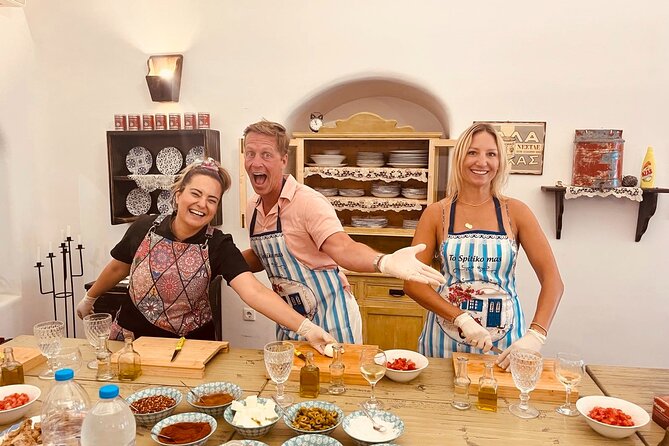
- Recipes built from familiar island ingredients: Think local tomatoes, fava beans, capers, feta, and garlic-forward sauces.
- A social, all-ages vibe: The class is interactive enough that it tends to work well for families and mixed groups.
First Taste of Santorini: Arriving at To Spitiko Mas in Megalochori
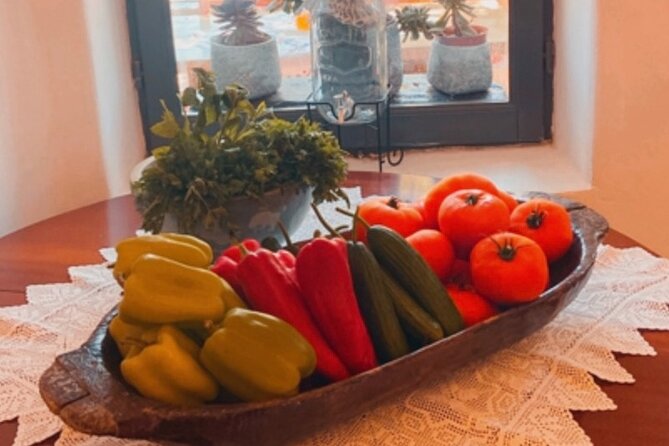
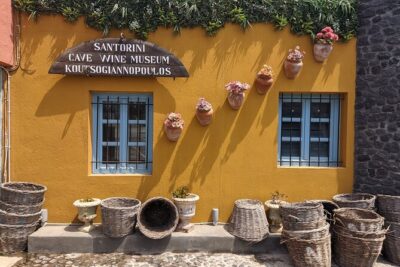
The experience starts at To Spitiko Mas in Megalochori (the meeting point is listed right there in town). Plan to arrive a bit early so you can get settled before cooking ramps up.
Megalochori is the kind of Santorini village that still feels like a neighborhood, not a photo-only stop. And starting the class in a stone cave house immediately sets the tone: you’re not just learning recipes, you’re cooking inside the island’s traditional way of living.
If you’re relying on transit, you’re in luck here. The activity is described as near public transportation, which matters on an island where getting around can get time-consuming.
You can also read our reviews of more cooking classes in Santorini

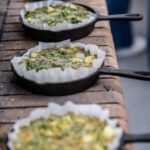
What You’ll Cook: The Five-Course Santorini Menu (and What Each Dish Teaches)
The class centers on cooking a full traditional local Santorini menu together, guided by the chef. You’ll work through several dishes, and the format is built so you can learn the logic behind each one—not just memorize steps.
Here’s the sample menu you’ll cook and then eat:
Santorini Salad (starter)
This is the fresh, classic opening: local Santorini tomatoes, cucumber, onions, green peppers, capers, and feta. It’s a great dish to learn early because it teaches balance—salt, tang, and crunch—without needing heavy technique.
If you like food that tastes bright and clean, you’ll probably think this one is more than just a starter. It’s a real flavor map of the island.
Tomato Fritters (starter)
Next up is a local recipe using tomatoes plus flour, spices, and herbs to create traditional fritters. This is where you’ll learn how Santorini tomatoes behave when they meet heat and batter, and how to aim for flavor even when frying can feel a little intimidating.
For many people, this is the course they remember most—partly because it’s fun to make, and partly because the ingredients feel so grounded in island life.
Fava (starter)
Fava is a Santorini staple: a spread made from locally sourced beans. You’ll get a feel for the texture and seasoning style—smooth, hearty, and meant to be eaten with the meal rather than treated like an optional side.
This dish also helps you understand the island’s comfort-food streak. It’s simple, but it’s never boring.
You can also read our reviews of more tours and experiences in Santorini


Santorini Garlic Pasta (main)
The main course is a red-sauce pasta with garlic, which keeps things unmistakably Greek and very satisfying. Garlic in this context isn’t about overpowering—it’s about building aroma into the sauce.
If you’re worried the class might stay light, this course usually reassures you fast.
Lunch, served in the setting
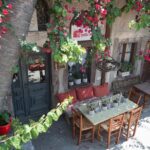
At the end of the lesson, you’ll enjoy the lunch you cooked together in the traditional cave house setting, or under the bougainvillea tree. That change in dining spot matters: it makes the meal feel like the climax of the day, not something that happens after you’re done.
Assyrtiko Wine Served During Prep and Lunch: Why It Adds Value
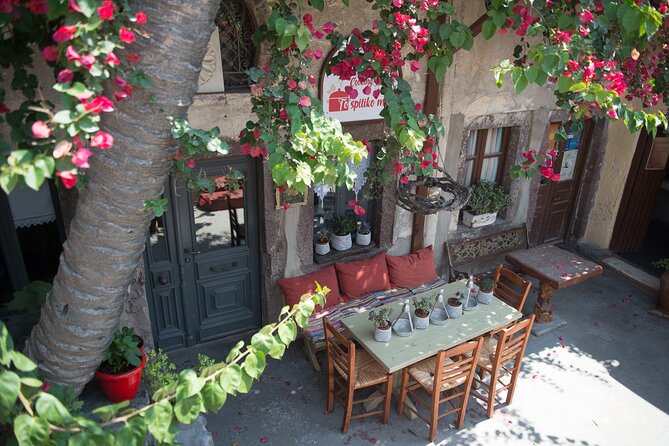
Wine is served throughout the preparation and during lunch. That does more than add fun.
When wine shows up while you’re cooking, it helps you stay in the moment. You’re not rushing between steps, and you’re more likely to slow down enough to listen when the chef explains why certain flavors are used.
It also turns lunch from a separate event into part of the cooking lesson. You’re tasting as you go and then fully committing to the final meal with everyone at the table.
Practical note: keep an eye on your own pace. Wine is part of the experience, but you’re still actively cooking, standing, and tasting.
Hands-On Instruction: What the Small Group Really Means
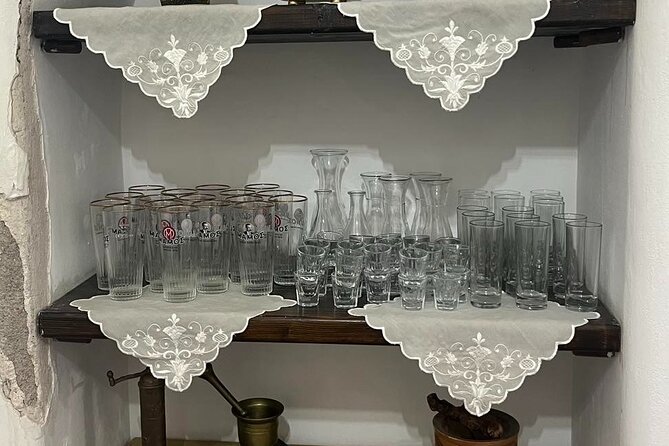
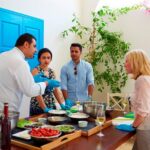
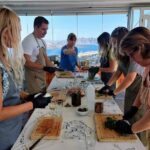
This is designed as a small-group activity with a maximum of 15 travelers. In practice, that size supports two things that big classes often miss: questions and conversation.
The chef is very involved, and hosts help keep the vibe friendly and easy. People often mention feeling supported even if they’re not confident with cooking. The overall teaching style is interactive, with guidance that keeps you from feeling lost.
A realistic expectation: some watching is part of it
One possible drawback to keep in mind is that the class includes a mix of hands-on work and instruction. If you’re the type who wants to do every motion yourself, you might feel the experience is paced for learning rather than for maximum stove time.
Still, the payoff is that you leave with practical know-how, not just a full belly.
The Cave House Setting in Megalochori: More Than a Photo Stop
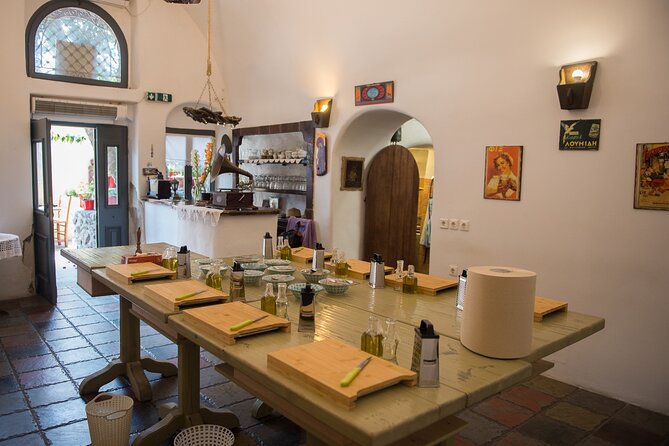
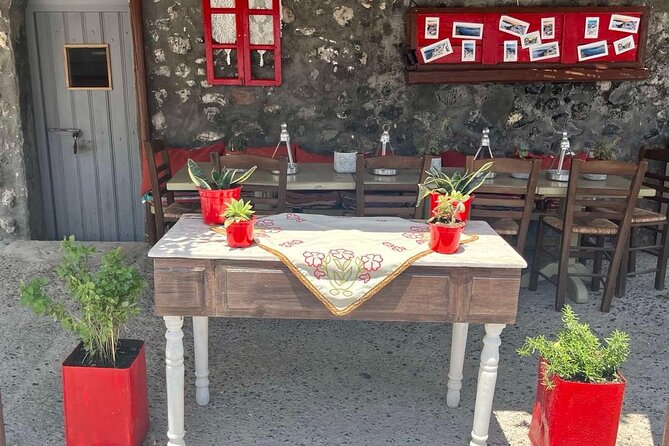
The cooking happens in an authentic Megalochori area with stone cave houses. This is one of those details that sounds scenic until you actually factor it into how the experience feels.
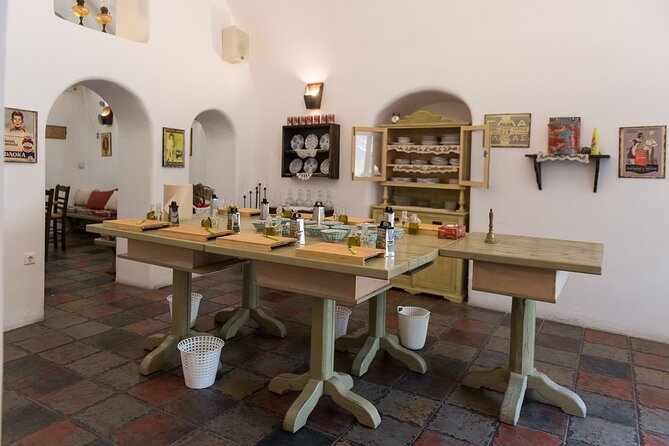
Cave-house spaces naturally shape the mood: cooler air, thick stone, and a sense that you’ve stepped into the island’s everyday architecture. It feels less like a workshop and more like joining a household routine.
Then you eat either in the cave house or outdoors under bougainvillea. That’s a smart touch. The outdoors spot helps you reset after cooking, while the cave setting keeps the day grounded in place.
How the Timing Works: 11:00am Start to About 3 Hours
The class starts at 11:00am and lasts about 3 hours. For planning, that makes it a good mid-morning to early-afternoon anchor.
Because lunch is included and is the meal you cooked, you don’t need a separate food stop afterward unless you want a snack later. Many people end up planning a relaxed afternoon after this class, since you’re fed properly and still feel like you’ve done something meaningful.
Also, the earlier start gives you time to explore after lunch without rushing through dinner reservations the same evening.
Price and Value: Is $133.08 Worth It?
At $133.08 per person, this isn’t a budget activity. The value depends on what you want from Santorini.
Here’s the honest breakdown of what you get for the money:
- A full five-course cooking-and-eating experience
- Lunch included, and it’s produced during the class
- Assyrtiko wine served throughout, not just at the table
- All equipment and products included
- Small group (max 15), which supports more interaction
If you compare this to paying for a meal plus booking a separate cooking workshop, it often starts to make sense. You’re paying for the teaching, the ingredient prep, the space, and the wine-included lunch.
Where it may feel pricey is if you expected more direct time at the stove. The class is structured around guided cooking, so your time might be split between prepping, instruction, tasting, and then finishing as the courses come together.
Who This Class Suits Best (and Who Might Feel It’s Not For Them)
This is a strong fit if you:
- want authentic Santorini food with hands-on steps
- enjoy learning by doing, not by watching only
- like social activities with other people in a small group
- want lunch built into the experience (no extra meal planning)
It may not be the best match if you:
- want a strictly competitive, fully silent, nonstop cooking session (this is social and guided)
- feel you need a very meat-heavy menu, since the sample menu is built around classic starters and pasta dishes like salad, tomato fritters, fava, and garlic pasta
If you’re traveling as a couple, a family, or with friends, the format tends to work because everyone gets to participate.
What to Bring and What to Expect Day-of
A few practical tips can help you get the most out of the day:
- Wear comfortable clothes and shoes you can stand in.
- Bring a light layer if you run cold in stone spaces.
- If you care about having an apron, it’s smart to plan ahead; a few people reported being asked to purchase one when they expected one to be provided.
If you’re a planner, arrive slightly early at To Spitiko Mas so you can settle before cooking starts. The class is in English, so you’ll be able to follow along smoothly without needing translation support.
Should You Book This Santorini Cave House Cooking Class?
If you want an experience that mixes food learning with a real Megalochori cave-house setting, I think you should book it. The biggest strengths are the five-course menu, the fact that lunch is included as the end result, and the way Assyrtiko wine is served during prep and at lunch. Add in the small group size and the chance to ask questions, and it’s a very “do this, eat well, learn something” kind of day.
Book it if you’re excited to cook your way through classic island dishes and then sit down with what you made. Skip it if you only want a highly intensive behind-the-stove session and don’t care much about guided instruction.
FAQ
How long is the cooking class in Santorini?
It lasts about 3 hours.
What’s included with the ticket?
You get lunch, the menu prepared during the class, local Santorini Assyrtiko wine, and all cooking equipment and products used during the lesson.
Does the experience include wine?
Yes. Assyrtiko wine is served throughout the preparation of the menu and during lunch.
Where do I meet for the class?
You meet at To Spitiko Mas, Megalochori 847 00, Greece. The activity ends back at the meeting point.
Is transportation included?
No. Private transportation is not included.
Can I cancel and get a refund?
Yes. You can cancel for a full refund if you cancel up to 24 hours before the start time.