REVIEW · FIRA
Santorini Private Daytime Wine Tour with Certified Sommelier
Book on GetYourGuide →Operated by Wineland Tours · Bookable on GetYourGuide
Santorini wine tastes better with a local guide. This private 5-hour tour pairs a certified sommelier with 12+ volcanic wine tastings at three estate stops, plus Cycladic cheese and local bites. One thing to plan for: the exact wineries can shift based on weather, opening hours, and availability, so your final trio may not match the names you’re most excited about.
What I like most is the human touch. The tour guides (like Eleftheria and Yiannis, both known for being friendly and very easy to talk to) explain the how and the why behind Santorini winemaking, not just the pour. Since it’s private, your sommelier can adjust the tastings to your interests as you go, and that makes the whole afternoon feel like learning with friends instead of sitting through a script.
In This Review
- Key points you’ll care about
- How 5 hours works on Santorini (without the hurried feeling)
- What you’ll taste: Assyrtiko, Vinsanto, and that volcanic punch
- The estate stops: what makes each one interesting (and how to choose)
- Gavalas: multi-generation volcanic authenticity
- Anhydrous: a winery idea built on the island’s forces
- Artemis Karamolegkos: rooted in the island, still winning
- Gaia Wines: a beach setting and a tomato-factory past
- Venetsanos: close to the port with caldera views
- Hatzidakis: organic vineyards and modern production since 1997
- Estate Argyros: large-scale land ownership with four generations
- Where your request helps
- Cellar time: why the production tour makes the tasting click
- The food pairing: Cycladic cheese and local bites
- The scenic drive factor: views as part of the pacing
- Price and value: is $318 per person worth it?
- Logistics that matter on the day (steep streets and pickup points)
- Who this tour is best for (and who should skip it)
- Should you book the Santorini private daytime wine tour?
- FAQ
- How long is the private wine tour?
- How many wineries will I visit?
- What wines are included in the tastings?
- Is pickup and drop-off included?
- What language is the guide?
- Are cable car tickets included for cruise ship travelers?
Key points you’ll care about
- 12+ wine sips with a focus on Santorini’s volcanic character (including well-known Assyrtiko and Vinsanto)
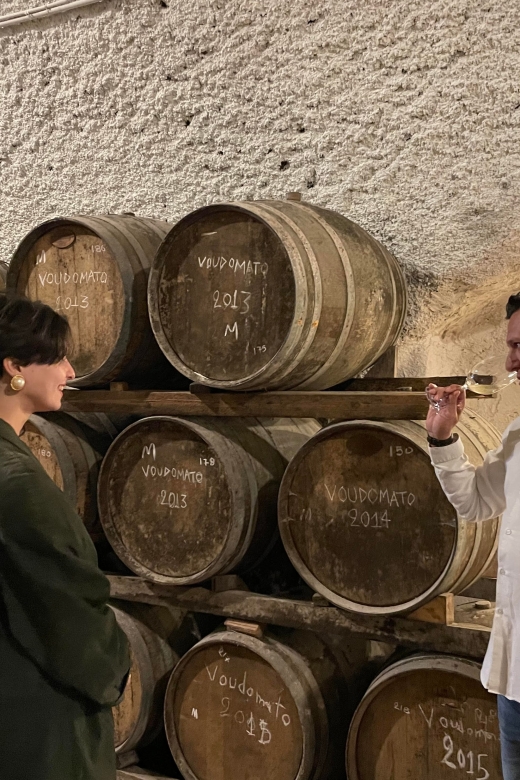
- Three estate visits with cellar and production context, not just a quick tasting room stop
- Cycladic cheese and local bites served alongside your tastings
- Personal attention on a private format, with guides who can tailor what you try
- Scenic drives around Santorini, so you’re seeing the island while tasting it
How 5 hours works on Santorini (without the hurried feeling)
Five hours on Santorini is the sweet spot for wine. Long enough to get context—where the grapes grow, how the cellar works, why the flavors land the way they do—without turning your afternoon into a marathon.
Practically, this matters because Santorini is steep and spread out. The tour includes pickup and drop-off from your hotel or a nearby meeting point, and the driving time is built into the schedule as scenic time. You’re also not stuck “figuring it out” with buses or transfers while your palate is getting happier by the minute.
Because it’s a private group, you also avoid the classic tasting-tour problem: waiting for others. If you want to slow down at one stop to ask more questions about acidity, aging, or volcanic soils, your guide can work with that pace.
You can also read our reviews of more private tours in Fira


What you’ll taste: Assyrtiko, Vinsanto, and that volcanic punch
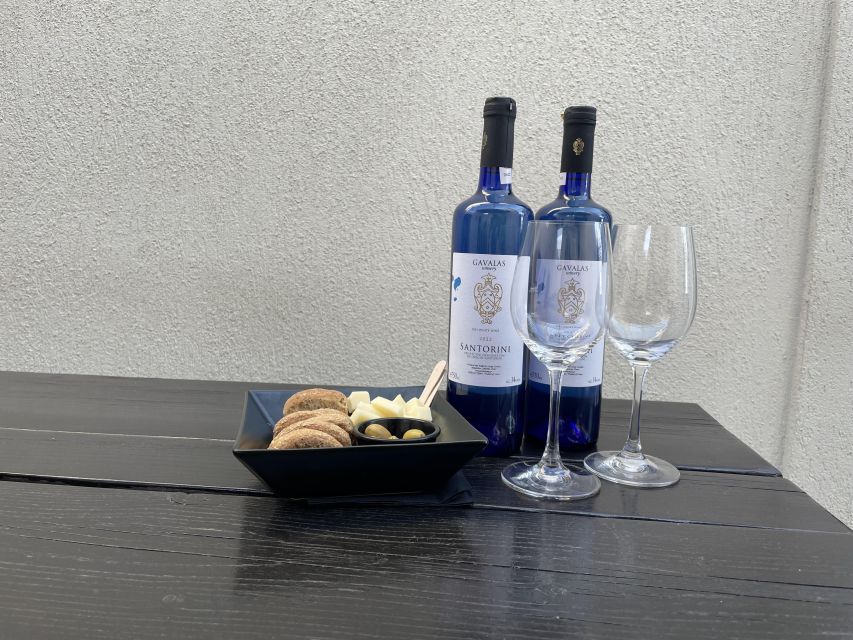
This tour is designed around Santorini wine’s signature personality: mineral-driven flavors, a noticeable sense of lift, and styles that feel tied to the island’s geology. You’re promised 12+ sips, and the tasting list includes renowned Assyrtiko and Vinsanto.
Even if you’re not a hardcore wine nerd, this is a smart approach. Santorini can taste confusing if you try to compare everything on your own. With the sommelier guiding you through what each pour is trying to express, you get a cleaner picture of how grapes, vineyard choices, and cellar decisions translate into what’s in your glass.
You’ll also get context on the process—how wine is produced, bottled, and matured. That’s the difference between tasting as entertainment and tasting as learning. You’ll leave with more than “I liked that.” You’ll have a sense of why you liked it.
The estate stops: what makes each one interesting (and how to choose)
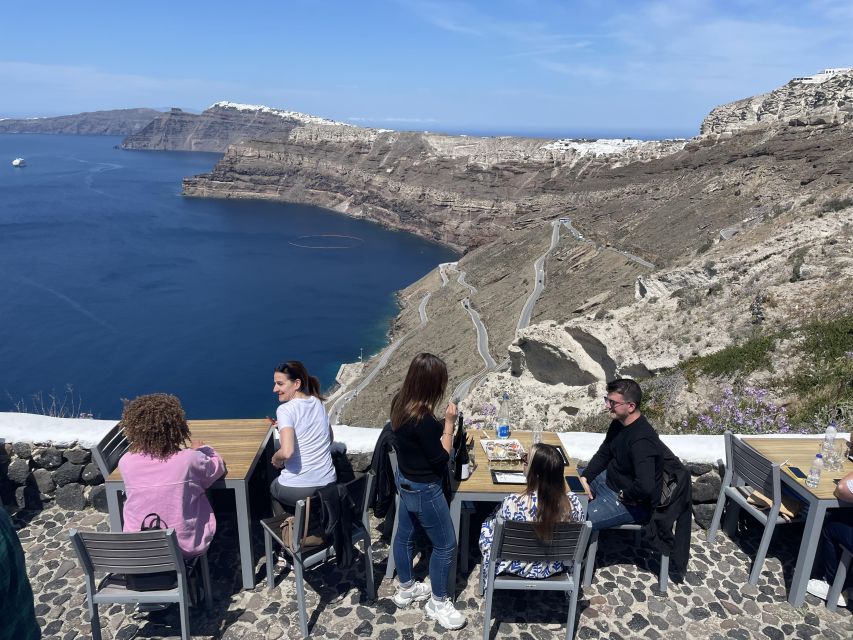
This experience is built around three estate wineries. The exact selection can vary, but you’ll be visiting estates from a set of well-known Santorini producers. Here’s what you should know about the big names you might encounter, so you can request preferences and make the time feel personal.
Gavalas: multi-generation volcanic authenticity
Gavalas is an established estate with roots going back generations and currently in its 4th generation of producing wines from Santorini’s volcanic soils. If you like the idea of tradition that’s still actively in production (not a museum-style experience), this is the kind of stop that often works well.
Also, you’ll likely get more than tasting—guides typically connect the wine to the island’s growing conditions and cellar choices. That’s where the sommelier becomes extra valuable.
Anhydrous: a winery idea built on the island’s forces
Anhydrous Winery takes its Greek name—meaning “without water”—and turns it into a theme. The producer explains their wines as shaped by volcanic rocks, sea breeze, and the earth, creating flavors described as smoky mineral character with high acidity and solid structure.
If you want to understand why Santorini wine can taste both crisp and intense, this is a compelling stop. It’s also a nice choice if you’re the type who wants a clear explanation for what you’re tasting, not just a list of grapes.
You can also read our reviews of more wine tours in Fira

Artemis Karamolegkos: rooted in the island, still winning
Artemis Karamolegkos traces its roots to 1952 and is linked to Santorini’s volcanic vineyard tradition. The estate is currently described as the third largest winery on Santorini by production volume, and its wines have a history of winning at competitions.
This is a good fit if you want a “big island winery” feel without losing the story. It’s also a nice way to compare styles you may have tried elsewhere in Greece.
Gaia Wines: a beach setting and a tomato-factory past
Gaia is located on the east side of the island, between Kamari and Monolithos, and it’s described as being on a beach. The industrial stone building once served as a tomato factory in the early 1900s and was used up until the 1970s for local cherry tomato purée. Today it operates as a modern winery with high-tech equipment and conditions aimed at high-quality production.
If you like place-based stories—how a building’s purpose changes over time—Gaia can be especially memorable. Plus, the east side feel can add variety if you’re mostly seeing the caldera from the usual viewpoints.
Venetsanos: close to the port with caldera views
Venetsanos sits very close to the port and overlooks the caldera. It was built in 1947 by the Venetsanos family and is described as the first industrial winery on the island.
If you enjoy a practical, accessible-feeling stop (near where people enter and leave the island), this can be a good choice. And caldera-facing views don’t hurt when you’re between pours.
Hatzidakis: organic vineyards and modern production since 1997
Hatzidakis was founded in 1997 and cultivates 10 hectares of vineyards, with most described as organic. If you like the idea that farming choices matter before fermentation ever starts, this estate can help connect the dots.
Estate Argyros: large-scale land ownership with four generations
Estate Argyros was established in 1903, but the family’s involvement in wine production goes back further. It’s described as the largest private owner of vineyards in Santorini, with current landholdings exceeding 120 hectares across a four-generations-long investment.
If you’re curious about how vineyard scale, continuity, and long-term strategy shape wine style, this is a great candidate stop.
Where your request helps
You can tell the operator your wine preferences, and they’ll take that into account. This is where you can personalize the “three stops” part so it matches your tastes—say, leaning toward organic practices, classic volcanic emphasis, or estates with a strong setting story.
Cellar time: why the production tour makes the tasting click
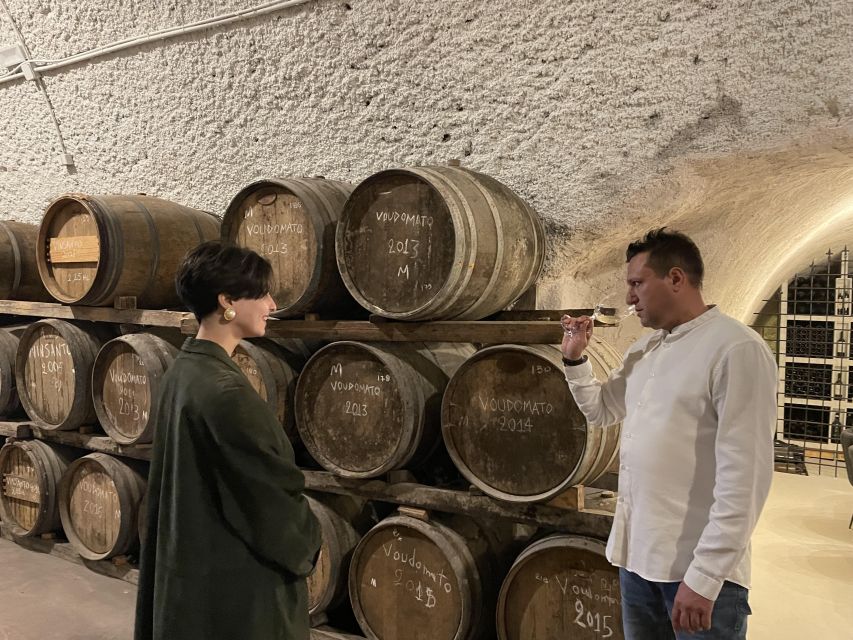
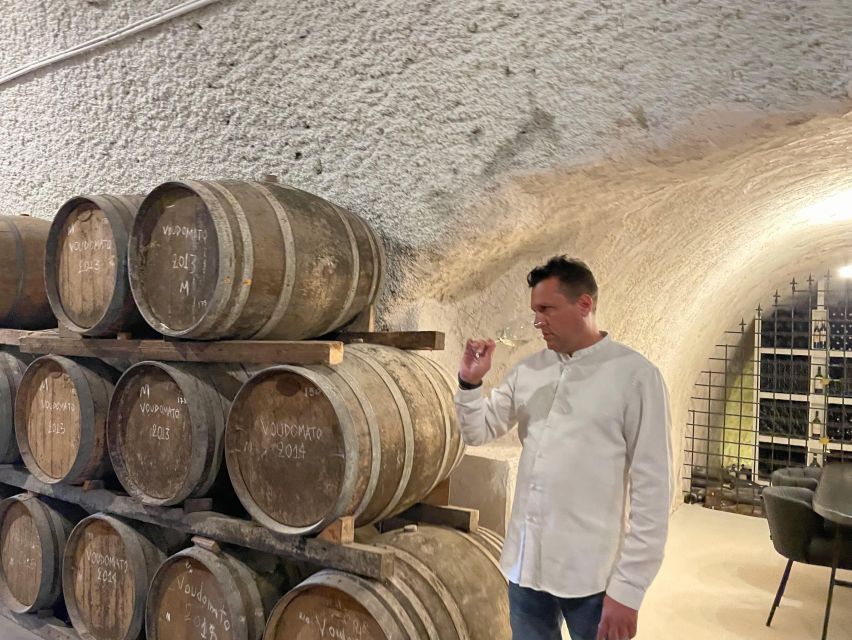
Most wine tours stop at the tasting room. This one aims to go further by showing you the cellars and the path from grapes to finished bottles—production, bottling, and maturation.
That cellar context is what makes the tastings more meaningful. For example, when you taste multiple wines back-to-back, it’s easy to lose the thread: Is this different because of grapes? because of aging? because of style? A guide who can connect the sensory experience to what’s happening in the cellar helps you taste with intention.
And yes, if the guide is the kind who brings it to life, you’ll get better explanations. In prior tours, guides like Yiannis have been praised for giving a behind-the-scenes look at winemaking and adjusting the tasting selection based on preferences.
The food pairing: Cycladic cheese and local bites
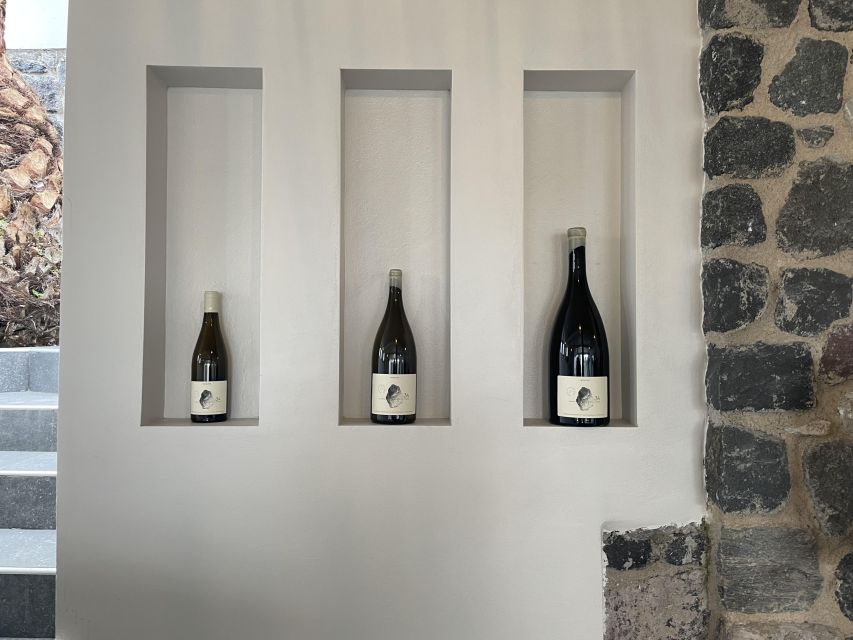
Wine is the star here, but the pairing is part of the performance. You’ll have wine pairing with Cycladic cheese & local bites.
This matters because Santorini wines—especially ones with strong acidity or distinct minerality—often pair best when there’s enough salt, fat, or texture to balance them. The cheese and bites aren’t just filler. They help you notice aromas and keep the tasting lineup from feeling flat.
If you get to a stop and realize you’re getting tired of the same tasting notes, the food reset helps. It also makes the experience feel more like an island meal than a “transaction” in a tasting room.
The scenic drive factor: views as part of the pacing
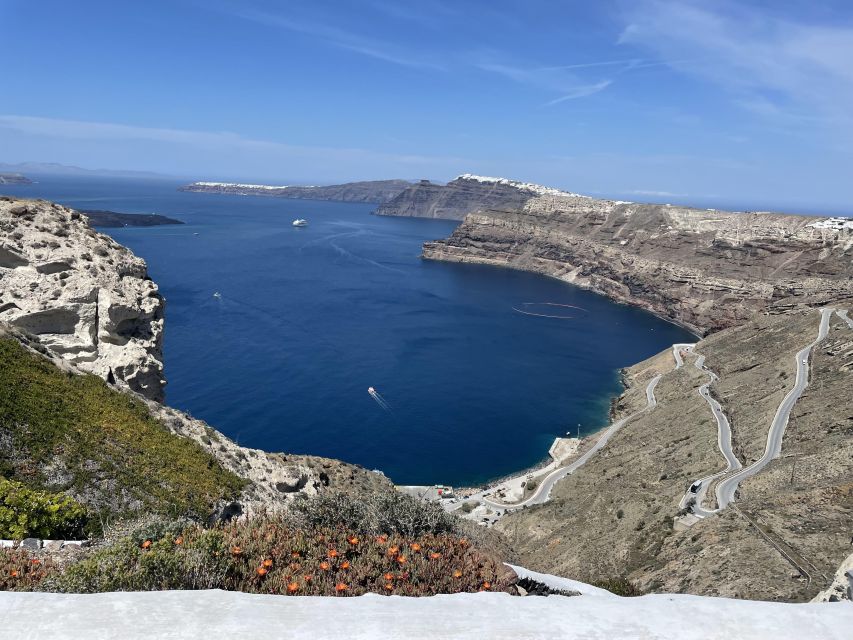
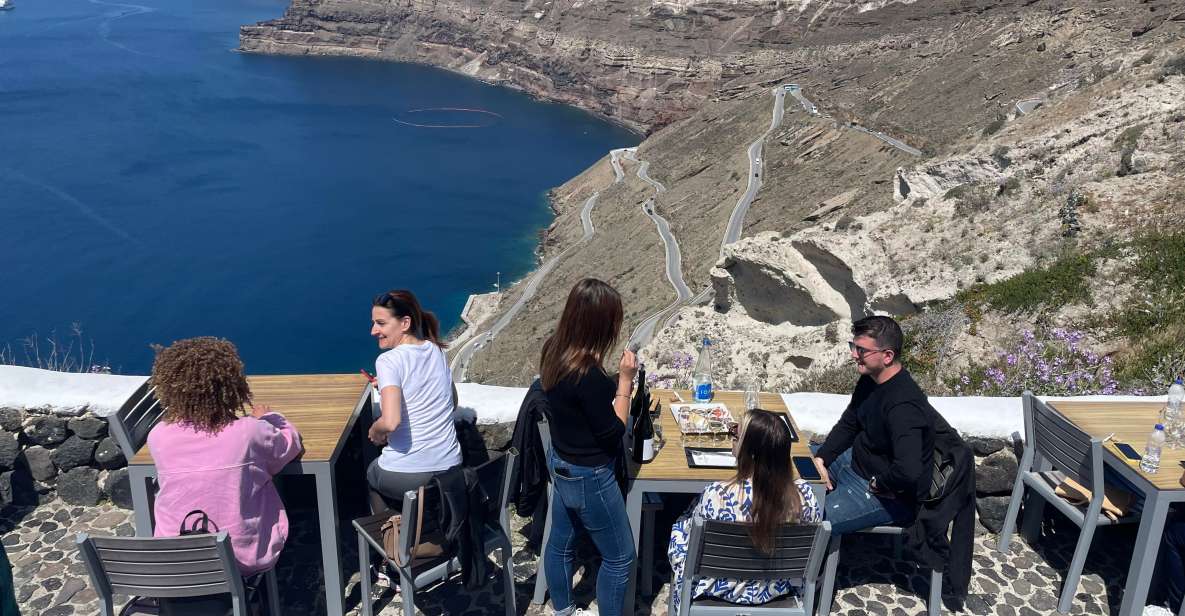
You’re not stuck inside a van for all five hours. The tour includes scenic drives and sightseeing around Santorini during the day.
This is useful in two ways. First, it breaks up the tasting rhythm so you’re not going from one glass to the next without air, light, and a change of scenery. Second, Santorini’s visual intensity can make you want to ask questions. Seeing where vineyards sit and how the island’s shape relates to the coastline gives the wine stories more weight.
The best part is that you’re pairing beauty with learning. You’ll likely associate certain views with certain flavors in a way that makes the day stick.
Price and value: is $318 per person worth it?
$318 per person sounds like a splurge until you map what’s included. You’re paying for:
- A private half-day format
- Pickup and drop-off
- A certified sommelier/wine expert guiding the tastings
- 12+ wine sips
- Three estate winery visits
- A cellar and production experience
- Cycladic cheese and local bites
- Scenic sightseeing time
If you tried to build this on your own, you’d likely lose the guided explanations and spend extra time coordinating transport between multiple estates. Even when you do find tasting rooms open on your schedule, the “why this wine tastes like this” piece is rarely as clear without a guide.
So the value equation is simple: if wine is a top priority for you (and you want real explanation, not just sampling), this price can feel fair. If you’re more of a casual sipper who only wants one or two tastings, you may find a cheaper group tour or a single-estate visit better matches your style.
Logistics that matter on the day (steep streets and pickup points)
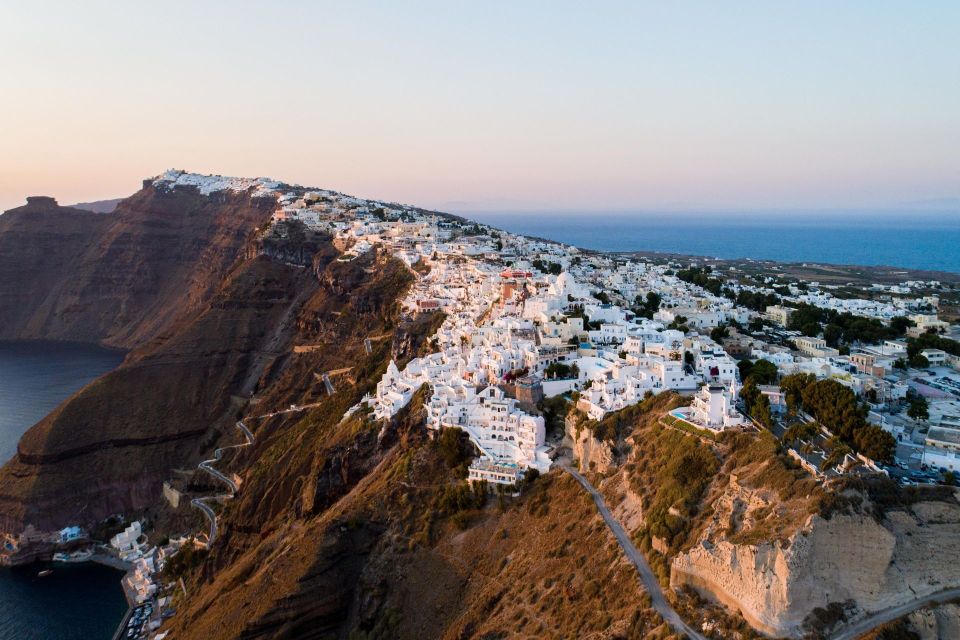
Santorini is gorgeous, and it’s also famously annoying for parking. The tour includes pickup and drop-off, but parts of the island are built on steep streets, so the exact hotel might not be reachable. You’ll receive instructions for a nearby meeting point, and the operator will try to get as close as possible.
If you’re coming from a cruise ship area, note that cable car tickets are not included for those travelers. Plan to handle that separately if it applies to your route.
On the bright side, the tour is described as wheelchair accessible, and it’s a private group, which typically helps keep things smooth.
Who this tour is best for (and who should skip it)
This private wine day fits best if you want:
- A deeper wine explanation than a basic tasting
- A guided comparison across Santorini estates
- The comfort of pickup and a set plan
- A day that feels like learning with an expert, not just drinking
It may be less ideal if:
- You’re tight on time and want a shorter experience
- You’re not interested in wine as a main activity
- You’re okay doing tastings on your own without cellar context
Should you book the Santorini private daytime wine tour?
If you’re planning a Santorini trip and wine is part of the point, I’d seriously consider booking. The combination of 12+ tastings, three estate visits, and production/cellar storytelling is what turns this from “a nice afternoon” into a day that teaches you something you can actually use when you’re comparing wines later.
One more reason to book: the guide matters. Past private tours have praised guides like Eleftheria for being friendly and knowledgeable, and Yiannis for personalized tasting choices and behind-the-scenes insight. With a private format, that human factor is harder to replicate with a generic group experience.
My advice for making the decision: send your preferences early (for example, which styles you like and which estates appeal to you). That way, the three-stop selection has a better chance of matching your taste, and you’ll feel like the tour was built for you rather than for a default itinerary.
FAQ
How long is the private wine tour?
The tour duration is 5 hours.
How many wineries will I visit?
You’ll visit three estate wineries on the private tour.
What wines are included in the tastings?
The tour includes 12+ sips of wine, including renowned Assyrtiko and Vinsanto.
Is pickup and drop-off included?
Yes. Pickup and drop-off are included from your hotel or the nearest meeting point.
What language is the guide?
The live tour guide is in English.
Are cable car tickets included for cruise ship travelers?
No. Cable car tickets are not included for cruise ship travelers.