REVIEW · AKROTIRI & ARCHAEOLOGICAL SITE TOURS
Santorini , Akrotiri tour by a licensed guide
Book on Viator →Operated by EXPLORE AKROTIRI · Bookable on Viator
Akrotiri feels like time travel in walking shoes. You’ll see Bronze Age buildings preserved under volcanic ash, and a licensed guide helps connect the ruins to what life may have looked like around 1600 BC. The site is fascinating even if you’re not a history person, but the tour is short—so if you want to wander slowly on your own, you may wish you had more time.
I especially like how much the guide focuses on everyday life, not just big dates. You’ll hear about the town’s layout and the evidence for daily routines, including drainage and the kinds of rooms that served practical needs. One practical heads-up: the Akrotiri entrance fee (12 euro per person) isn’t included, so budget a little extra.
In This Review
- Key points to know before you go
- Akrotiri: the Bronze Age city hidden under ash
- Why a licensed guide changes the whole experience
- The walk through Akrotiri: streets, city planning, and real buildings
- What you should expect to see
- The one possible downside of a guided walk
- Kitchen, toilets, and the drainage system you’ll actually notice
- Fresco stories: imagining painted walls and daily culture
- The volcano backstory that explains the preservation
- Time, pacing, and what 1 hour 15 minutes really means
- Price and value: $213 per group plus the 12 euro entry fee
- Who this Akrotiri tour suits best
- Before you go: small prep that pays off
- Should you book this Santorini Akrotiri guided tour?
- FAQ
- How long is the Akrotiri tour with a licensed guide?
- Is the Akrotiri entrance fee included in the tour price?
- Is this tour private?
- Do I get a mobile ticket?
- When does the tour run?
- Can I cancel for a full refund?
Key points to know before you go
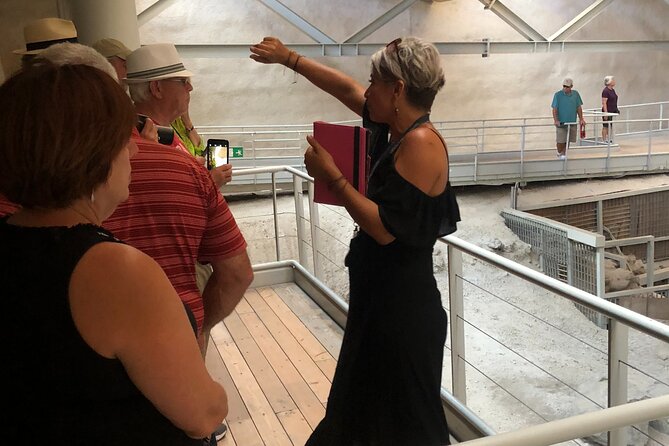
- A private group (up to 10) makes it easier to ask questions and get clear explanations
- 1 hour 15 minutes is just enough time to understand the site without turning it into a marathon
- Volcanic “frozen in time” preservation gives you an unusual look at a buried settlement
- Daily-life clues include kitchen and toilet remains plus a standout drainage system
- Fresco discussions help you imagine what the walls may have looked like before the eruption
- Mobile ticket means less fuss and faster check-in
Akrotiri: the Bronze Age city hidden under ash
Santorini’s Akrotiri site is one of those places where the setting does half the storytelling for you. The eruption around 1600 BC buried a whole settlement under volcanic material. Then, for nearly 4,000 years, the layers acted like a natural storage system—keeping buildings in place so archaeologists could later uncover a city that still has structure you can recognize.
What you’re walking through is not a “ruins pile.” It’s a town. Streets were laid out with intention, homes were built up in multiple levels, and the excavations reveal how people organized space. Even if you think you’re not into ancient history, this is the kind of site that teaches you through physical clues.
And yes, the vibe can feel slightly strange at first. You’re on a Greek island with modern life all around, yet the ground beneath your feet is pointing back to a Bronze Age world. That contrast is part of the magic. The other part is that, with a guide, you understand what you’re seeing instead of just staring at walls.
You can also read our reviews of more guided tours in Santorini



Why a licensed guide changes the whole experience
This is a private tour with a licensed tourist guide, and it matters more than you might expect. On your own, Akrotiri can feel like a set of interesting rooms and corridors. With the guide, it becomes a connected story: how the town worked, how people lived, and how researchers interpret what they’ve found.
One of the most praised parts of this tour is how the guide handles questions and updates you on the current historical theories around the ruins and the island’s people. That’s big value, because archaeology isn’t “one fixed fact.” It’s evidence plus interpretation, and your guide helps you understand why certain ideas are favored today.
You’ll also get a clear, step-by-step pace. In 1 hour 15 minutes, that pacing is everything. You’re not just getting facts thrown at you—you’re getting a map of meaning. It’s the difference between seeing a site and understanding why the site is extraordinary.
The walk through Akrotiri: streets, city planning, and real buildings
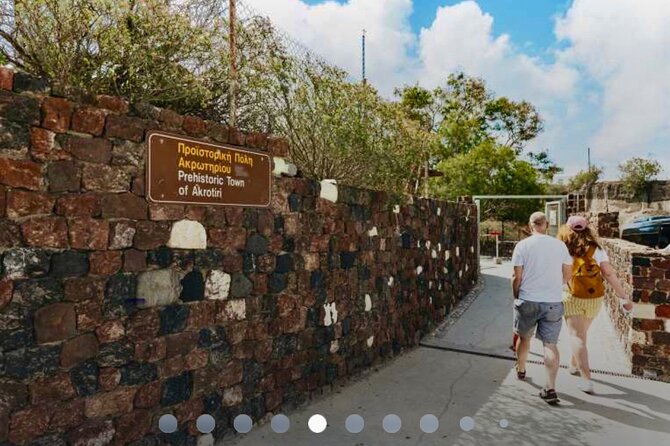
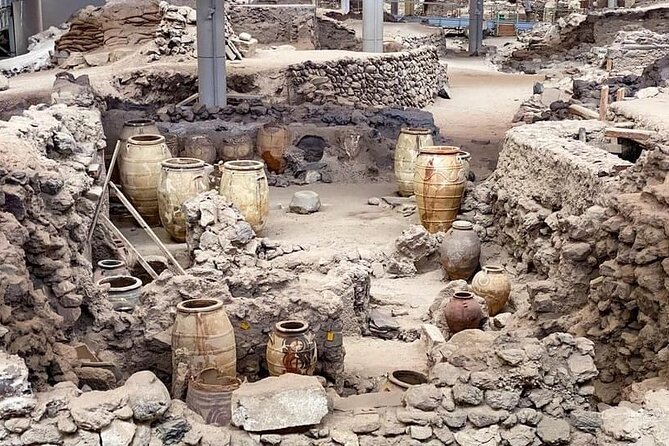
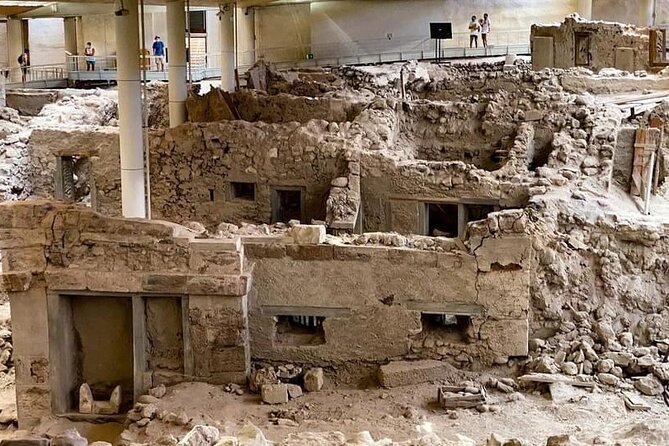
Your tour focuses on the Akrotiri Archaeological Site, and the time is used for one main goal: to help you read the settlement like a functioning town. The excavations show a dense pattern of buildings, including 2- and 3-storeyed structures, which is a hint that this wasn’t a scattered village. People built upward and packed the space with purpose.
As you move around, you’ll get a sense of the town’s layout. The guide points out what the architecture suggests—where everyday activity likely happened and how different parts of the settlement may have supported one another. The point isn’t that you’ll remember every corner forever. The point is that you’ll leave with a mental picture that actually makes sense.
What you should expect to see
At a high level, you’ll spot evidence that helps reconstruct ordinary life:
- Remains that suggest kitchen areas
- Clues connected to toilet facilities
- Visible features that support the idea of systematic drainage
The one possible downside of a guided walk
Because the tour is time-boxed, you can’t treat it like a slow self-guided stroll. If you love taking photos for long stretches or you want to linger on every single wall section, you may feel slightly rushed. That’s not a flaw in the tour—it’s just the trade-off for getting a big-picture explanation quickly.






Kitchen, toilets, and the drainage system you’ll actually notice
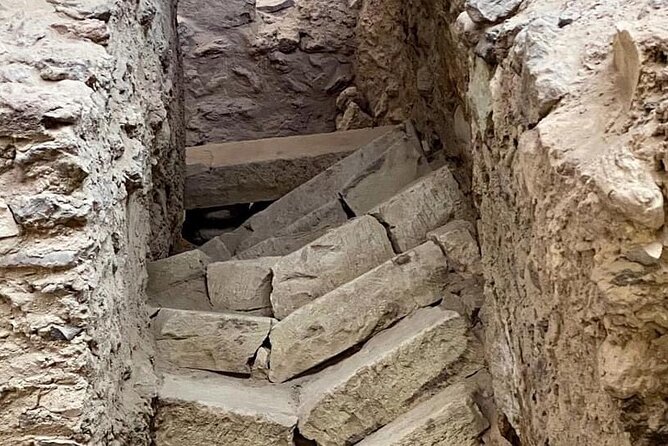
This is where Akrotiri gets real. It’s easy to get pulled into dramatic volcanic catastrophe stories, but the best ruins are the ones that show daily needs. Here, the site includes remains connected to kitchen and toilet facilities and—this is a highlight—an impressive drainage system.
A drainage system is the kind of feature that you might walk past on your own. With a guide, you’re more likely to understand why it matters. It tells you people were dealing with water management, waste, and everyday cleanliness concerns. That’s a social clue, too. It implies organization and planning—someone designed and maintained these systems, and the community relied on them.
If you like practical details, you’ll enjoy how the guide links physical remnants to human behavior. You start to imagine not just the city’s destruction, but also what life may have felt like before it happened—work happening in kitchens, routines happening in sanitation spaces, water moving through structures designed to keep things functional.
Fresco stories: imagining painted walls and daily culture
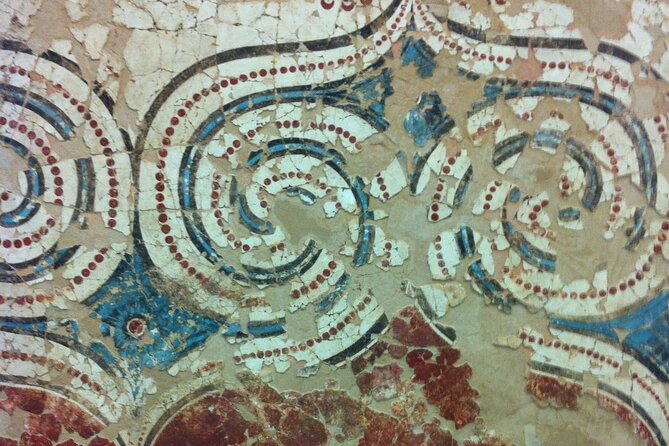
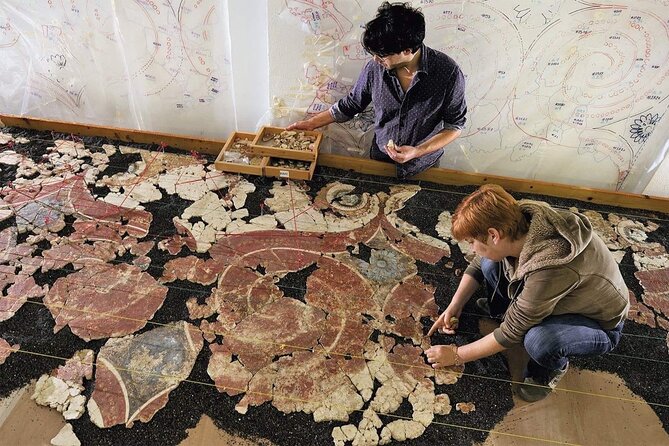
Akrotiri is also famous for evidence related to wall decoration, including frescoes—paintings that once graced the walls. Even when you’re looking at remains rather than the full original artwork, the stories help you understand what the visual culture might have been like.
This matters because culture isn’t only about temples or public monuments. Frescoes are often linked to how private and communal spaces were made more meaningful. With a guide, you’re not just hearing that frescoes existed; you’re learning why the evidence is significant and how interpretations have evolved over time.
This is also where your guide’s question-and-answer skill shines. When you ask about dating, volcanic impact, or what researchers can and can’t be certain about, you’ll likely get clearer explanations than if you were reading alone. The goal is to help you leave with a sense of what’s known and what remains open to theory.
The volcano backstory that explains the preservation
The big theme of Akrotiri is destruction followed by preservation. The eruption buried the settlement under ash, and that ash essentially slowed decay for thousands of years. The site stayed covered long enough that the ruins were not lost the way many sites would be.
There’s also an interesting modern twist to how Akrotiri came to light. The ruins were discovered accidentally when workers were removing volcanic soil from Santorini to use for building and for insulating the Suez Canal. That detail makes the whole place feel even more connected to world history, not just Greek archaeology.
Your guide ties this together so it doesn’t turn into one long lecture. You’ll hear the sequence: life in the Bronze Age town, the eruption, burial, and then the eventual discovery. That timeline is your framework for everything you see during the walk.
Time, pacing, and what 1 hour 15 minutes really means
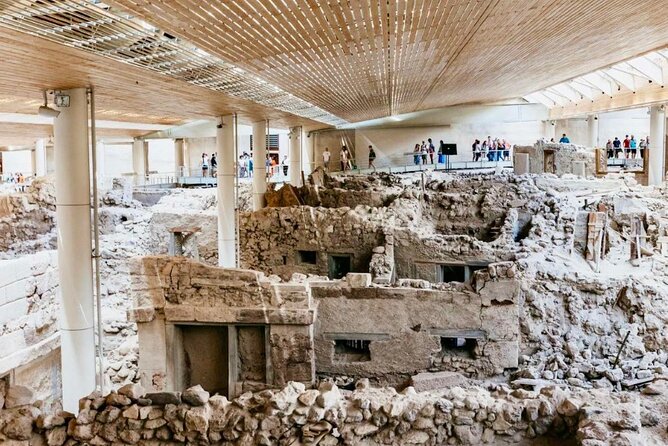
The tour runs about 1 hour 15 minutes. That timing is a sweet spot for Akrotiri. It gives you enough time to understand the settlement’s major features without turning your day into an all-day excavation tour.
I like the short format because it keeps expectations honest. You’re not trying to do everything. You’re focusing on one high-value site and learning how to interpret it well. If you’ve only got limited time on Santorini, this works because you can pair it with other island plans afterward.
It’s also a private tour/activity, meaning only your group participates. That usually translates into better flow. You can ask questions without worrying about holding up strangers, and your guide can adjust explanations to your group’s interest level.
Price and value: $213 per group plus the 12 euro entry fee
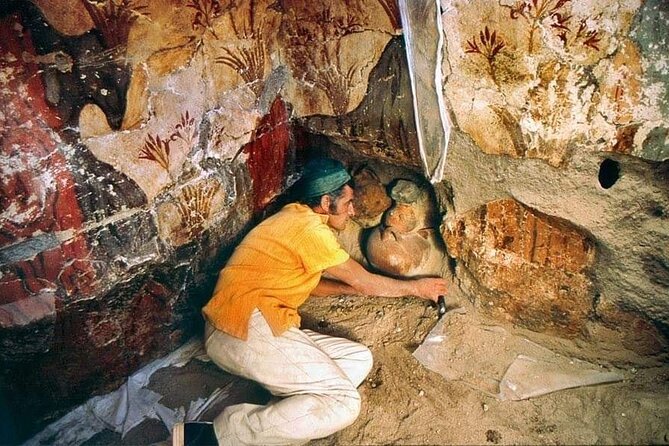
Let’s talk money in a real-world way. The price is $213 per group (up to 10). That’s how this tour is structured—group pricing—so your per-person cost drops as your group fills up.
Then add the part that’s easy to miss: the Akrotiri entrance fee is not included and is 12 euro per person. If you’re traveling as a small group, that extra fee matters, but it still keeps this tour in a reasonable range for a licensed, private guided experience.
What makes it good value isn’t just the guide—it’s the focused duration. You’re paying for someone to help you interpret the site’s most important clues: city planning, building layout, practical evidence for daily life, and why preservation happened. In a place like Akrotiri, that interpretation can be worth more than extra time wandering without context.
If you’re a solo traveler, the “up to 10” structure may mean you’re paying the group rate alone (depending on how the operator handles grouping). If you’re traveling with family or friends, it’s where the value really sharpens.
Who this Akrotiri tour suits best
This tour is a strong fit if:
- You want a clear, guided understanding of the prehistoric settlement without reading every sign
- You like practical details (drainage, everyday rooms, city layout)
- You’re traveling with kids or a mixed group and need explanations that keep everyone engaged
- You want a private format so questions are part of the experience, not an afterthought
It may be less ideal if you:
- Want to spend long, uninterrupted time on your own at a slow pace
- Are the type who prefers photography-first wandering with minimal talking
- Plan to visit during a busy window when you’d rather not do a structured walk (this one depends on your exact schedule)
Before you go: small prep that pays off
A couple of quick things will help you get more out of the hour and change:
- Wear comfortable walking shoes. You’ll be moving through an uneven outdoor/archaeological setting.
- Bring a phone or small camera, but don’t let photo stops take over the whole time.
- If you have a specific question (how people cooked, what drainage implies, how frescoes are interpreted), write it down and ask your guide when it fits.
With a guided tour, you’ll enjoy the site more when you treat it like a conversation with evidence. Akrotiri rewards curiosity.
Should you book this Santorini Akrotiri guided tour?
I’d book it if you want the best shot at understanding Akrotiri in a short amount of time. The private format, licensed guide, and focus on daily-life evidence make it feel efficient and human, not just academic. If you’re planning a Santorini visit where you want one “wow” archaeology experience that still feels grounded in real life, this fits.
I’d hesitate only if you’re seeking a long self-guided ramble or you dislike paying the extra entrance fee. Otherwise, it’s a smart way to see a rare kind of archaeological site—one where volcanic ash acted like a time capsule, and a guide helps you read it like one.
FAQ
How long is the Akrotiri tour with a licensed guide?
It lasts about 1 hour 15 minutes.
Is the Akrotiri entrance fee included in the tour price?
No. The tour price does not include the entrance fee, which is 12 euro per person.
Is this tour private?
Yes. It’s a private tour/activity, and only your group will participate. The group size is up to 10.
Do I get a mobile ticket?
Yes, the tour includes a mobile ticket.
When does the tour run?
It operates Monday through Sunday from 8:30 AM to 3:30 PM, with dates listed as 02/01/2023 to 06/17/2026 (local time).
Can I cancel for a full refund?
Yes. Free cancellation is available if you cancel up to 24 hours in advance for a full refund.