REVIEW · COOKING CLASSES
Santorini: Greek Cooking Class with Wine Tasting
Book on GetYourGuide →Operated by SantoMax Tours & Transfer · Bookable on GetYourGuide
Four hours, two wineries, one feast. Santorini’s Greek Cooking Class with Wine Tasting pairs real food-making with a winery visit, so you don’t just taste the island—you learn how it’s made. You cook classic dishes in a small-group setting, then sip local wines that match the day’s flavors.
I especially like the guide setup. Klara brings the island context on the ride, and the winery plus kitchen team (including Chris and Phillip) keeps things warm and practical. I also love that the menu and tastings line up: you’ll cook Greek salad, tomato balls, fava, and pork fillet prepared with Vinsanto, while tasting up to 8 wines such as Assyrtiko and Nykteri.
One drawback to consider: this is a structured, taste-and-cook day. If you’re hoping for long, slow wandering time, or you’d rather avoid any alcohol-focused stops, you may find the schedule a bit tight for your style.
In This Review
- Key highlights worth planning for
- Why this Santorini combo works in just 4 hours
- The van ride plus the guide: what you gain before you even eat
- Winery stop 1: unlimited tastings, with Assyrtiko and Nykteri in the mix
- Winery stop 2: the oldest-winery visit that changes the story
- The cooking class: Greek salad, tomato balls, fava, and Vinsanto pork
- What’s actually on the plate (and why the menu makes sense)
- Lunch and wine: how to enjoy without feeling stuffed or rushed
- Small group size and the chef’s attention
- Transfer, timing, and comfort: the practical stuff that makes or breaks it
- Price and value: is $318 per person worth it?
- Who should book this Santorini class (and who might not)
- Should you book this Santorini cooking class with wine tasting?
- FAQ
- FAQ
- What is the duration of the Santorini Greek cooking class and wine tasting?
- How many wines will I taste, and which ones are included?
- What dishes will I cook during the class?
- Is round-trip transportation included?
- How big is the group?
- Is the tour wheelchair accessible?
Key highlights worth planning for
- Small group capped at 8, so you get attention in the kitchen
- Unlimited wine tasting paired with what you’re cooking
- Up to 8 wine varieties, including Assyrtiko and Nykteri
- Two winery moments, including a stop at one of the island’s oldest wineries
- Hands-on dishes like Greek salad, fava, tomato balls, and Vinsanto pork
- Comfortable round-trip transfer in an air-conditioned mini van
Why this Santorini combo works in just 4 hours
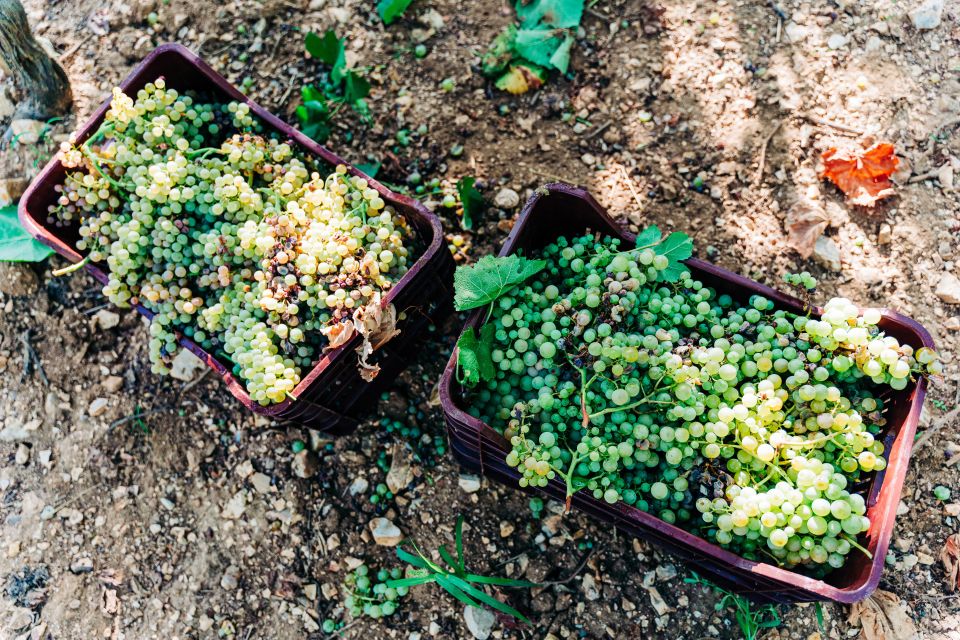
This tour is built around a simple idea: wine and food in Santorini aren’t separate activities. You taste the wines first, then you cook dishes that fit the flavors and ingredients of the islands. It’s one of the better ways to use a short stay because you leave with both skills and memories.
The timing matters. At 4 hours, you get a full experience without chewing up an entire day of sightseeing. And since the group is limited to 8 people, the chef can actually help during the prep and cooking, instead of turning it into a lecture.
You can also read our reviews of more food & drink experiences in Santorini



The van ride plus the guide: what you gain before you even eat
Your day starts with pickup and a quick hop into an air-conditioned mini van. The driver will be holding a sign with your last name, so you’re not stuck playing guess-the-tour. You’ll also get the basic island story while moving between stops—this is where the tour earns its “value” reputation.
Klara, one of the guides you might be with, is repeatedly singled out for being both fun and full of island know-how. On this kind of food-and-wine tour, that matters more than you might think. If someone explains why Santorini grape varieties taste the way they do, the tastings click faster, and you start noticing flavors instead of just ranking wines.
Winery stop 1: unlimited tastings, with Assyrtiko and Nykteri in the mix
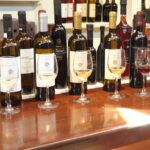
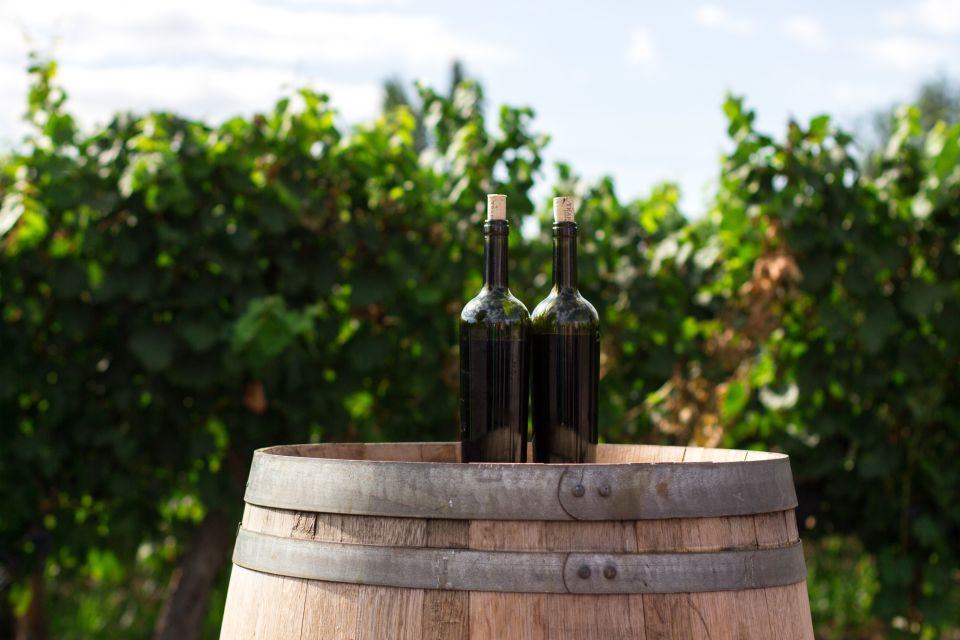
At the winery, you’ll do two things at once: look around and taste. You’ll enjoy wine tasting of up to 8 varieties, including Assyrtiko and Nykteri. You’ll also get Vinsanto during the day—so even if you’re not a die-hard wine person, you’ll end up tasting the island’s signature sweet style.
What I like about this approach is the mix of famous and practical. Assyrtiko is one of those names people recognize, but Nykteri is the kind of variety that makes the day feel more “Santorini” and less like generic vacation wine. Unlimited tasting is also a key part of the experience: you’re not forced to sip one small sample and move on. You can compare, ask questions, and figure out what you genuinely like.
You should also know what unlimited means in real life. It’s generous, but you’re still on a schedule. If you plan to drive later or you’re sensitive to alcohol, go slowly and focus on the wines that match your taste (dry, sweet, light, heavier). The tour includes transfer, which helps, but it’s still a day where you’re drinking.
Winery stop 2: the oldest-winery visit that changes the story
After cooking time comes the second winery moment, including a visit to one of the island’s oldest wineries. This stop tends to land well because it adds depth beyond wine labels. You get a clearer sense that vineyards here aren’t a trend—they’re part of how Santorini built its economy and culture.
The payoff is that the tastings start to feel connected. When you learn a little about the local vineyards and why they mattered, the wines stop being random tastes. Even if your palate is still learning, the “why” gives you a structure to remember what you liked.
The cooking class: Greek salad, tomato balls, fava, and Vinsanto pork
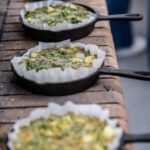
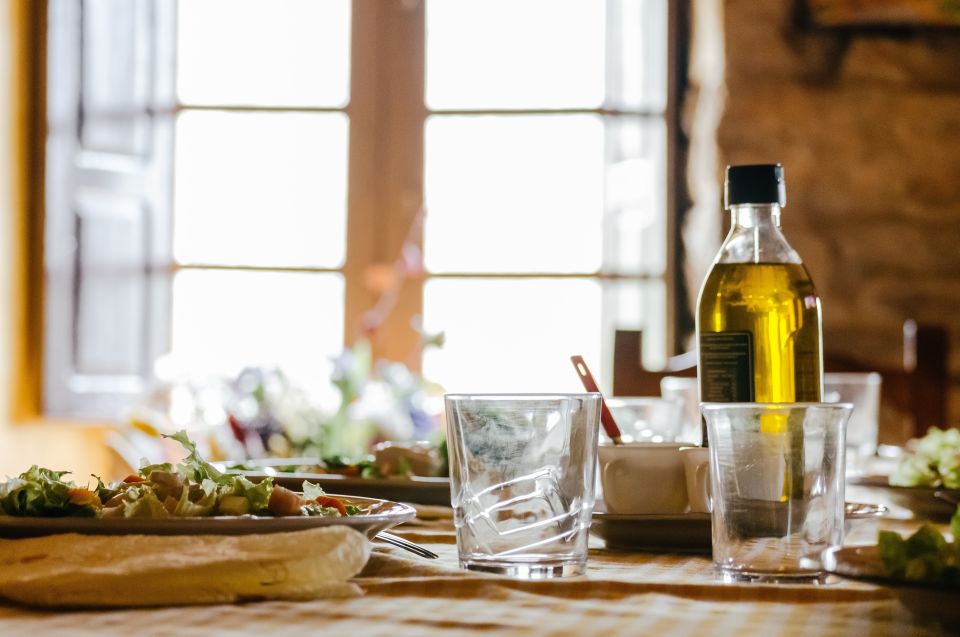
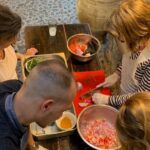
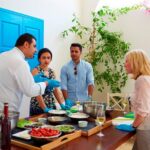
Now for the part that most people actually remember: the hands-on cooking. The class is led by a local chef, and it’s set up so a small group can work without feeling rushed. You’ll cook classic Greek dishes such as Greek salad, tomato balls, fava, and pork fillet cooked with Vinsanto.
Here’s why this part is so practical. Cooking Greek food on the spot means you’re not just eating someone else’s version—you’re learning basic technique and ingredient logic. You’ll deal with chopping, mixing, and shaping, so you walk away with muscle memory, not just a list of dishes.
Also, cooking with Vinsanto is a smart touch. It ties the wine theme to real flavor, not just tasting. Once you’ve seen how Vinsanto fits into a savory dish, you’ll understand why it’s used in Santorini cooking instead of being treated like a drink you only sip after meals.
You can also read our reviews of more cooking classes in Santorini


What’s actually on the plate (and why the menu makes sense)
The dishes aren’t random. They reflect the Mediterranean “make it simple, make it bright” style that Santorini does well.
- Greek salad gives you the fresh, punchy baseline: herbs, tomatoes, and the kind of acidity that makes wine taste cleaner.
- Tomato balls are comfort food energy, and they show you how everyday ingredients can turn into something special.
- Fava is the heart-and-soul ingredient. It’s a local favorite that helps you understand why beans and spreads are such a big deal in Greek cooking.
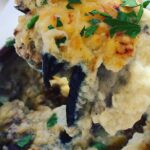
- Pork fillet with Vinsanto links everything to the day’s wine theme, so you’re tasting the island in more than one form.
This menu also helps if you’re cooking-friendly but not a master chef. One of the best things about this experience is that it’s designed for real skill levels, not just foodies who spend weekends rolling dumplings.
Lunch and wine: how to enjoy without feeling stuffed or rushed
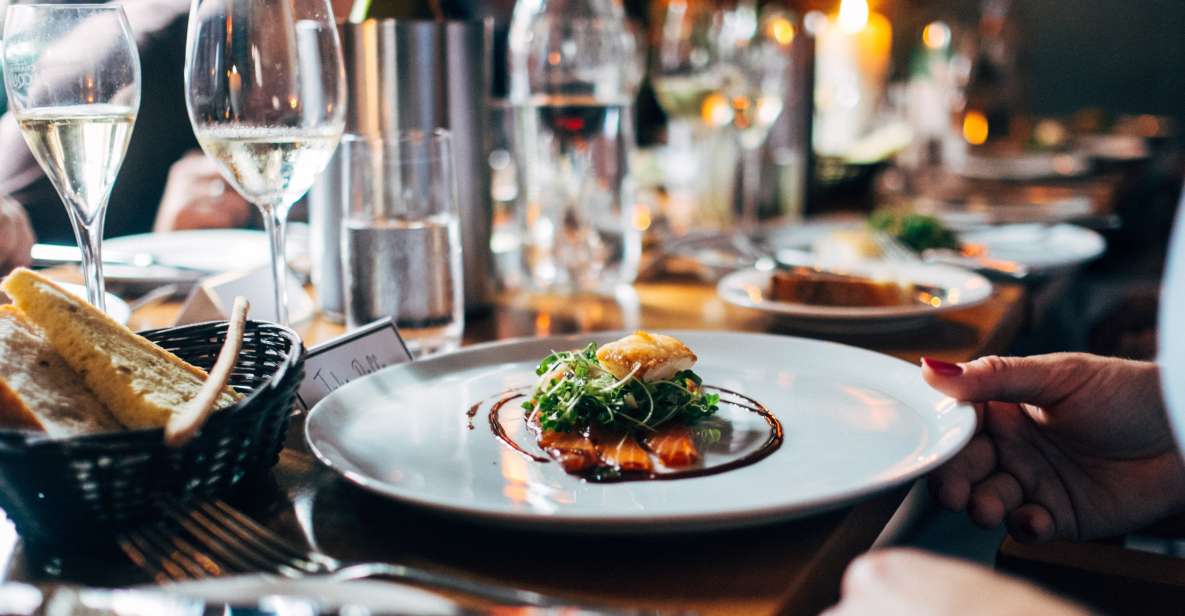
Lunch is included, and it’s not just a sandwich stop. You’ll taste the dishes you prepare, and the day’s wine tastings keep feeding the experience.
That balance is important. Too many wine tours turn into a blur of sips with no real food context. Here, you’re eating what you cook, so you can compare flavors as you go. It also helps if you’re traveling with a parent or someone who wants a calmer pace than a long “drinks only” tour.
The one thing to watch is your own comfort level with wine. Since tasting is unlimited, pace yourself. A good rule is to keep one hand on your water bottle and one ear on the chef’s instructions—both will make the experience smoother.
Small group size and the chef’s attention
Group size is limited to 8 participants, and that’s a big deal for a cooking class. When the group is small, you can actually ask why something works, not just whether it tastes good. You’re also more likely to get hands-on feedback while you’re cooking, especially if you’re nervous with a knife or you’re unsure how a dish should look.
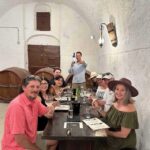
This also tends to make the day feel social without turning chaotic. You’ll be close to the others, you’ll share the table, and you’ll get that “we’re doing this together” vibe that makes food experiences memorable.
Transfer, timing, and comfort: the practical stuff that makes or breaks it
You’re not expected to figure out logistics on your own. The tour includes return transfer in a luxury air-conditioned mini van, and you’ll be picked up from your hotel lobby area. You’re told to wait about 10 minutes before pickup, and the driver holds a sign with your last name.
Why I care about this detail: Santorini isn’t flat, and walking time can balloon quickly if you’re bouncing between stops alone. A comfortable van keeps the day from turning into stress. It also lets you focus on the actual activities—wine tasting and cooking—without worrying about parking, directions, or timing.
Price and value: is $318 per person worth it?
At $318 per person for a 4-hour experience, the price isn’t low. But you’re not paying just for wine or just for cooking.
You’re buying:
- A small-group cooking class with a local chef
- A winery visit with admission and tasting fees
- Unlimited locally produced wine tasting (up to 8 varieties)
- Lunch plus bottled water
- Round-trip hotel transfer in an air-conditioned mini van
- Guided interpretation during the day
In other words, you’re paying for multiple “paid components” in one package. If you tried to do this alone, you’d likely pay separately for transport, winery tastings, and a guided cooking session. This tour gives you a tight plan where those pieces stack neatly.
So here’s how I’d judge it for your trip: if you want both wine and cooking in one go, and you’ll actually use the included lunch and guided wine education, the value feels fair. If you’re only there for scenery or only there for wine, you might want a simpler option.
Who should book this Santorini class (and who might not)
You’ll probably love this if you:
- Want a hands-on food experience instead of just tasting
- Like wine, or you’re at least curious about Santorini varieties like Assyrtiko and Nykteri
- Want a structured day that’s still small-group friendly
- Prefer guided help so you’re not guessing where to go next
You might choose differently if you:
- Dislike alcohol-focused tours, even with transfers and pacing choices
- Hate cooking classes that involve chopping and stirring (this one is hands-on, though it’s designed to work for typical skill levels)
- Want a very freeform, independent itinerary with long gaps for wandering
Should you book this Santorini cooking class with wine tasting?
If your ideal Santorini day includes both a real kitchen moment and a serious winery tasting, I’d book it. The best part is the way the day ties together: you taste the wines, you cook the dishes, then you eat what you made while the flavors still make sense.
One more practical tip before you decide: plan your energy. This isn’t a “nap and wander” day. It’s active, guided, and flavor-heavy, with an unlimited tasting component. If you’re into that rhythm, you’ll come away feeling like you learned something tangible—not just consumed.
FAQ
FAQ
What is the duration of the Santorini Greek cooking class and wine tasting?
The experience lasts 4 hours.
How many wines will I taste, and which ones are included?
You can taste up to 8 wine varieties, including Assyrtiko and Nykteri. Vinsanto is also part of the tasting and is used in the food.
What dishes will I cook during the class?
You’ll prepare Greek salad, tomato balls, fava, and pork fillet cooked with Vinsanto.
Is round-trip transportation included?
Yes. You get return transfer in an air-conditioned mini van.
How big is the group?
It’s a small group limited to 8 participants.
Is the tour wheelchair accessible?
Yes, it is listed as wheelchair accessible.