REVIEW · FARMS
Santorini: Private Agri-Educational Visit to an Organic Farm
Book on GetYourGuide →Operated by Santorganics organic farm · Bookable on GetYourGuide
Santorini has a quiet side. This private agri-educational visit to Santorganics’ organic estate adds depth to the island beyond caldera views, with a guided walk through black currant vines and herb fields, plus tastings that actually make sense with what you see. I love meeting the farm owners, Dimitris and Maria, and hearing how they grow for Santorini’s dry climate. I also love the payoff: herb-infused extra virgin olive oil and the sweet punch of LIQUEUR RAISIN.
One thing to plan around: this isn’t a sit-down tasting. There’s a moderate amount of walking on cobblestones and paths, and it isn’t suitable for wheelchair users or people with certain health or mobility limits.
In This Review
- Key points before you go
- A Santorini farm visit that trades selfies for flavors
- Arriving at the meeting point and walking the last stretch
- Black currant vines and local herbs you can actually identify
- Inside the organic production process, including a herb-drying cave
- Tastings that feel connected: LIQUEUR RAISIN and infused olive oil
- Price and value for a 2-hour private farm experience
- Walking level, clothing, and who should book
- A quick reality check: why this farm tour is different on Santorini
- Should you book Santorganics’ private organic farm visit?
- FAQ
- How long is the private agri-educational visit?
- Is hotel pickup included?
- What’s included in the tastings?
- Is this tour private?
- What languages are the guides available in?
- How much walking is involved?
- Is the tour suitable for people with mobility impairments or wheelchair users?
- What should I bring?
- How do I set the tour appointment?
- Is smoking or alcohol allowed during the visit?
Key points before you go
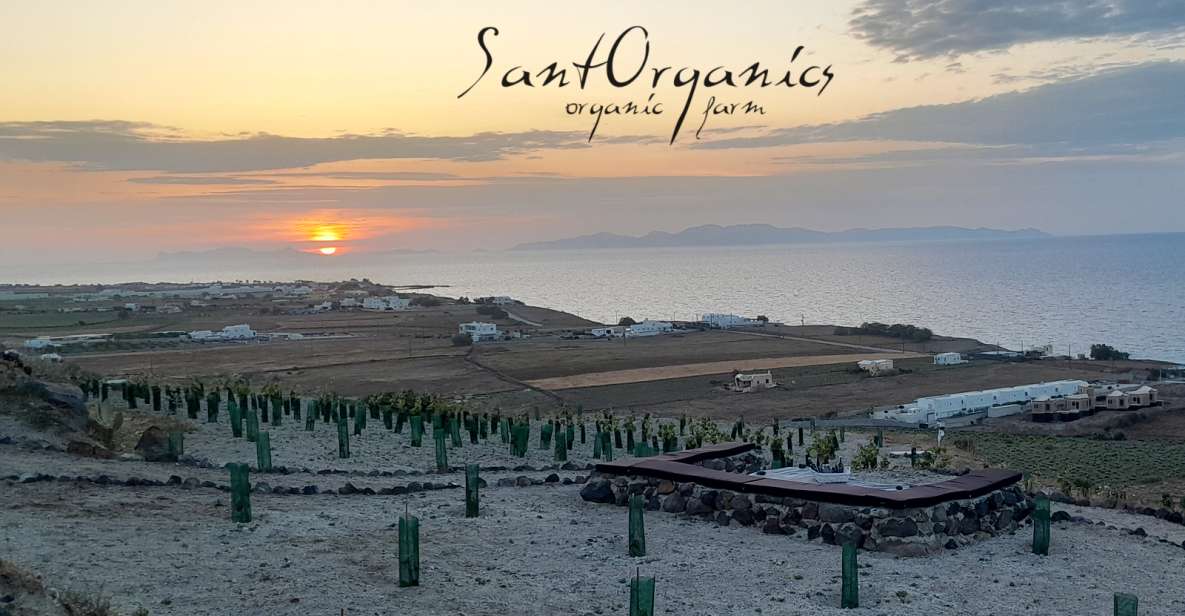
- Meet Dimitris and Maria and hear how the farm works in real, day-to-day terms.
- Taste what you tour: herb-infused olive oil and LIQUEUR RAISIN come at the end, not as a random afterthought.
- Black currant vines and local herbs like caper and thyme are the stars here, not typical vegetable rows.
- A cave used for herb drying helps explain the production steps from plant to product.
- Prickly pear products show up in multiple forms, including prickly pear seed oil.
- A private group experience means you can ask questions and move at a comfortable pace.
A Santorini farm visit that trades selfies for flavors
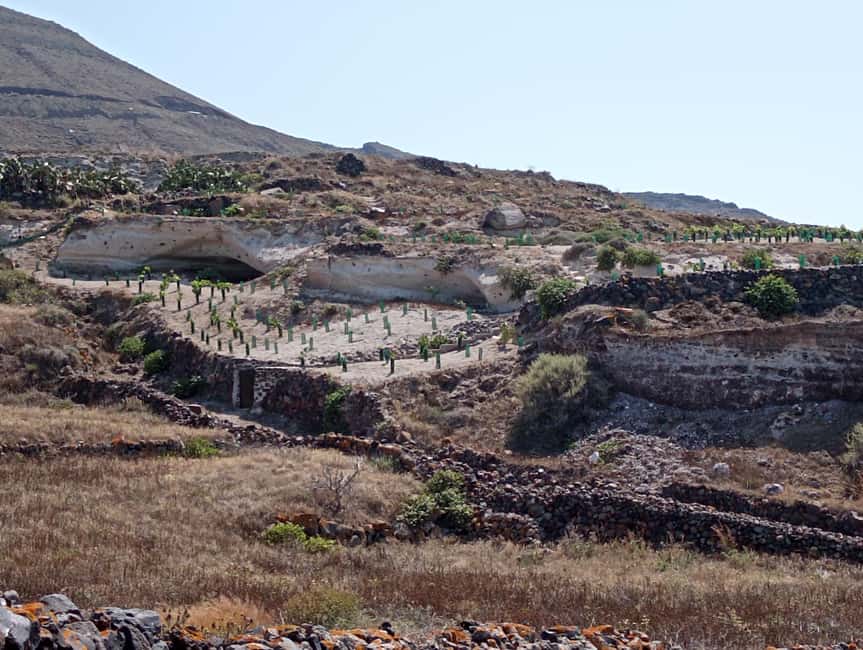
Santorini gets sold as cliffs, churches, and famous sunsets. This tour gives you something else: a close-up look at how people farm here without relying on lush, water-hungry crops. You’ll walk through an estate that feels built for survival in a dry climate, where the plants have adapted and the production is tuned to local conditions.
I like that it’s not a generic museum-style tour. The owners, Dimitris and Maria, are part of what you’re doing—less performance, more real agriculture. And the tasting is tightly connected to the plants you’ve just seen, especially when it comes to herb harvesting and the products made from them.
You can also read our reviews of more private tours in Oia



Arriving at the meeting point and walking the last stretch
You meet at a street-level starting pin (provided as 8G87FCC7+W5H), then move onward on foot. There’s no hotel pickup, so you’ll want to build in time to reach the meeting point before your start time.
From there, the experience involves a hike a few meters along picturesque cobblestone streets to reach the farm. It’s not a full-on trek through the hills, but you should expect uneven surfaces. The route can include scenic stops along the way, depending on the time of day—so if your timing lines up, you may catch great light for photos.
Practical tip: wear shoes you’d happily walk a couple of thousand steps in, not sandals. The included hiking baton can help if you need extra support.
Black currant vines and local herbs you can actually identify
Once you reach the estate, the walk becomes a guided lesson you can taste later. The tour includes a private guided visit through the facilities and, importantly, time in the fields—starting with a black currant vineyard described as the first organic black currant vineyard in Santorini.
This is one of the reasons I’d choose this tour over a typical tasting alone. You’re not just handed samples; you’re shown the plants that lead to the products. You’ll also walk among local herb varieties such as caper and thyme (and the rest of the herb mix will vary with season).
Depending on when you go, you might even be able to pick some and taste along the way. That small hands-on moment is where the whole thing clicks—suddenly, LIQUEUR RAISIN isn’t a random dessert flavor. It’s linked to how the farm thinks about harvesting, drying, and flavor concentration in a place where nature sets the limits.
Inside the organic production process, including a herb-drying cave
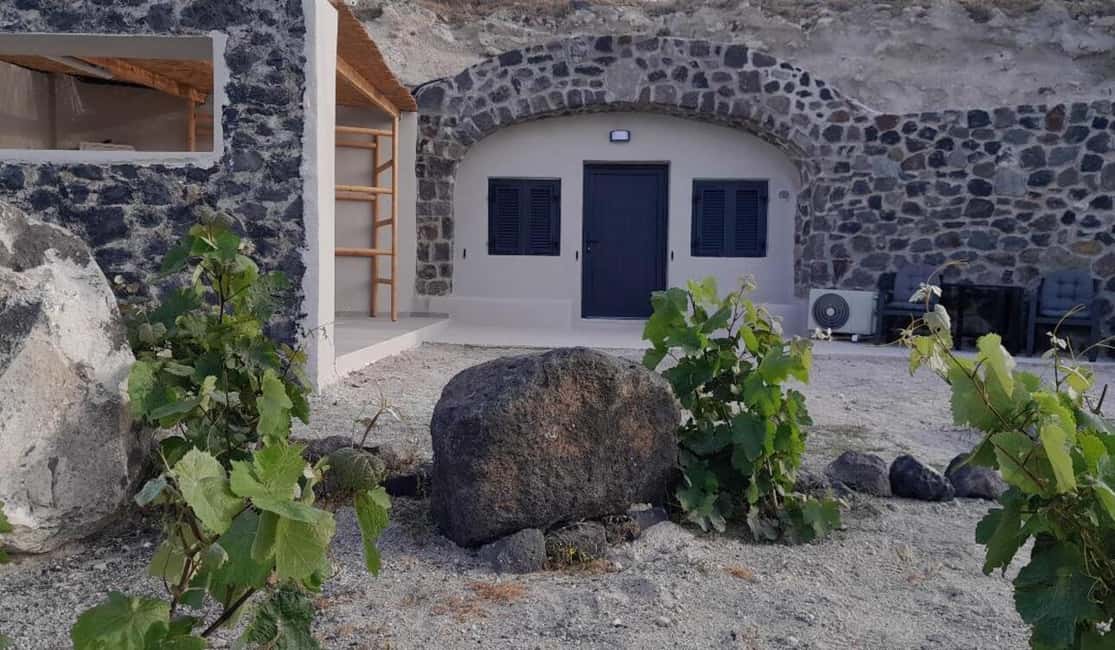
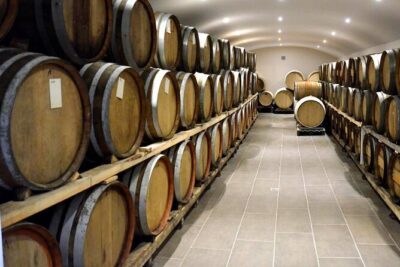
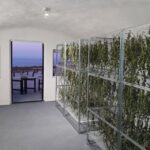
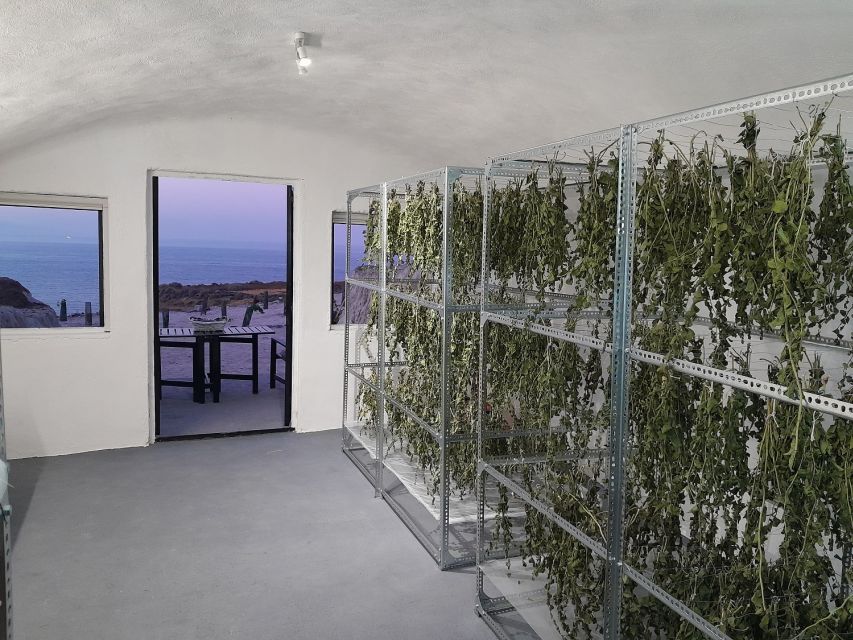
A key moment comes when you head into a cave used traditionally for natural drying of herbs. This is where the tour stops feeling like a walk-through and starts feeling like a production story.
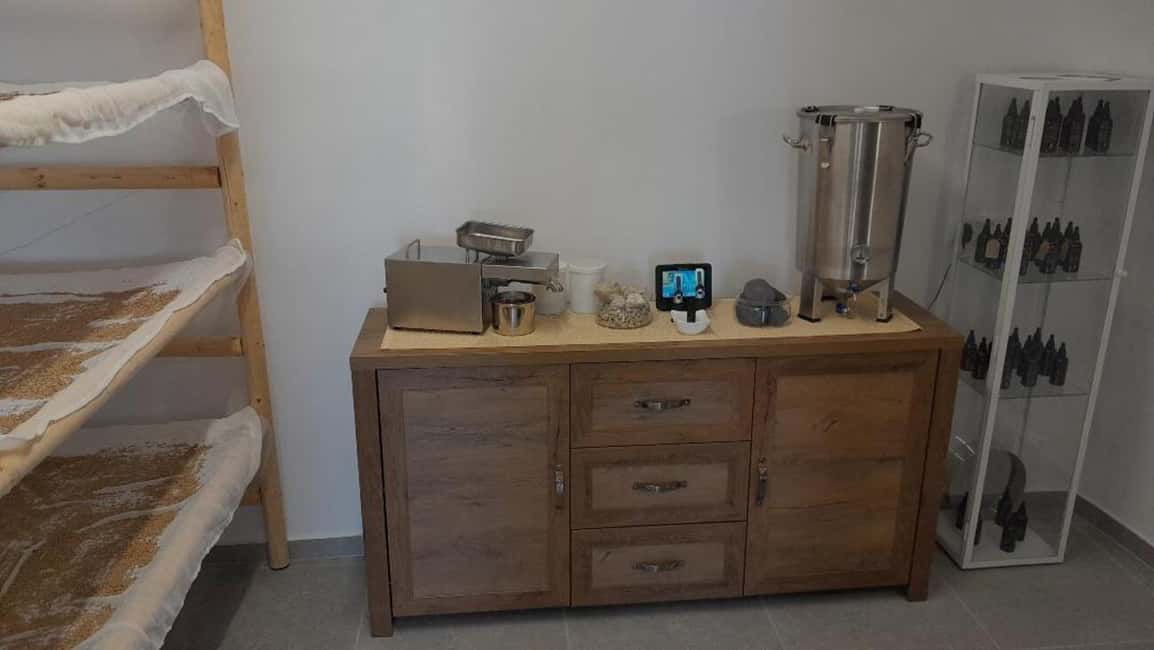
In Santorini’s dry conditions, drying matters. You’ll learn about the stages of harvesting and production in the natural herb drying area, and that context makes the tasting at the end more meaningful. When you later taste herbal notes in oil and sweets, you’ll understand why the farm treats drying as a critical step—not an afterthought.
This is also where the tour’s focus on “anhydrous” (dry-climate) farming shows. You don’t come here expecting lush rows of lettuce. One practical reality shared during the experience is that the island’s climate isn’t built for typical vegetable farming. The farm leans into what grows well and what can be processed efficiently in dry air—herbs, prickly pears, and black currant.
Tastings that feel connected: LIQUEUR RAISIN and infused olive oil
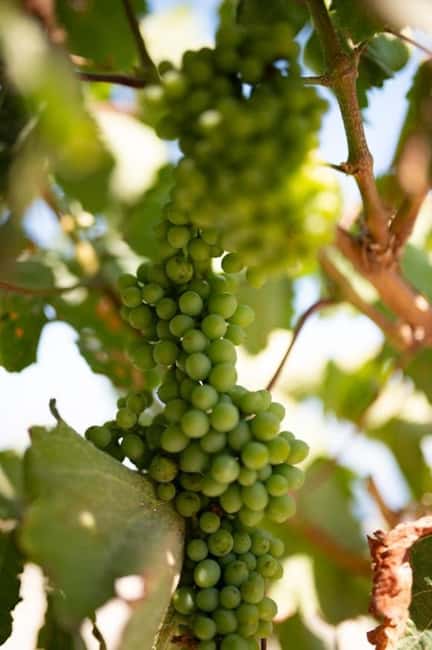
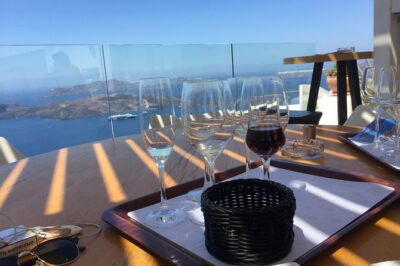
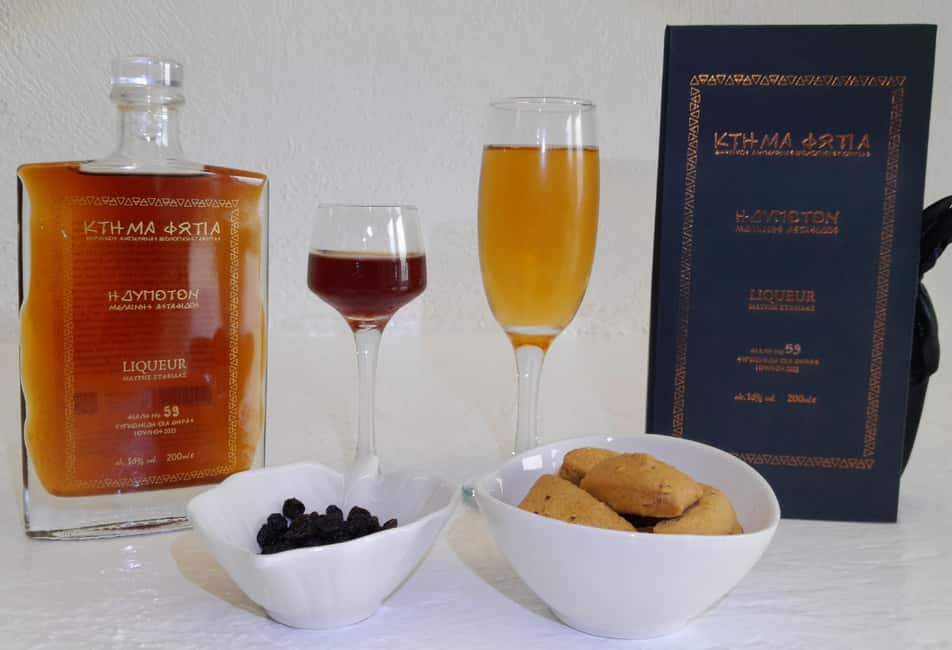
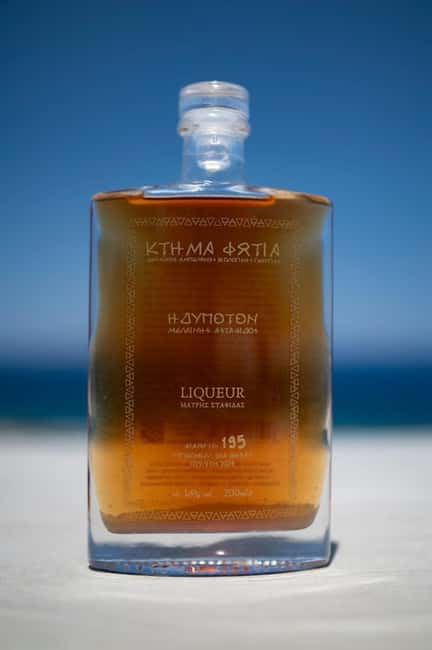
The tasting is the finale, and it’s designed to match what you saw. You’ll finish with LIQUEUR RAISIN and an oil tasting, plus regional bites.
Here’s what you should expect to try:
- LIQUEUR RAISIN (liqueur made with black raisins/must notes from the currant process)
- Infused extra virgin olive oil (herb-infused)
- Organic must cookies
- Organic cereals breadstics
- Organic no-sugar prickly pear juice
- Almond rusks
- Organic prickly pear seed oil introduced as part of the tasting
What I love about this lineup is the mix of flavors and textures. The oil is savory and aromatic, the raisin liqueur is sweet and intense, and the prickly pear juice cuts through with something bright and not overly heavy. Even if you’re not a food expert, the guide’s explanation helps you understand what you’re tasting.
And yes, the herbs matter here. The infused olive oil doesn’t taste like generic “herb oil.” It’s built from the same local plants you walk among, so the flavors feel grounded in the island’s ingredients.




Price and value for a 2-hour private farm experience
The price is listed at $56 per person for about 2 hours. On paper, that can look like “just a tasting,” so here’s how I’d evaluate the value.
You’re paying for three things at once:
- A private, guided visit that includes the walking and the explanation of production steps (not just samples on a table).
- Tastings that match the farm’s actual outputs, including LIQUEUR RAISIN, herb-infused olive oil, and multiple prickly pear products.
- Access to an organic estate setup that’s built around dry-climate agriculture, including the cave-based drying process.
If you’re the type who wants to know what you’re eating (and why it tastes that way), it’s a solid deal for the time. If you’re mainly looking for a quick snack with minimal walking, you may feel you could get something cheaper elsewhere. But this tour isn’t trying to compete with casual tastings. It’s built as an education + flavor experience.
Walking level, clothing, and who should book
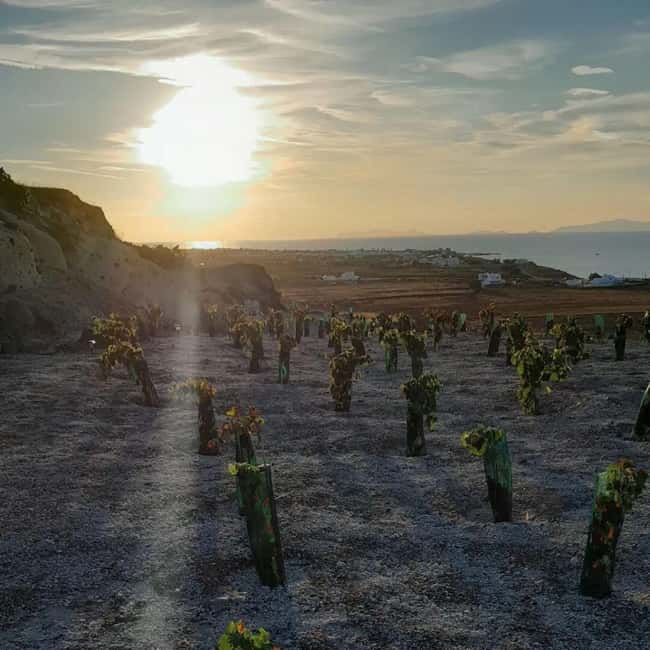
This isn’t advertised as a high-intensity hike, but it does include a moderate amount of walking. It also involves navigating cobblestones and farm paths. For your best day, pack for traction and sun.
Bring:
- Sun hat
- Comfortable clothes
- Closed-toe shoes
If you have any concerns about stamina, be honest with yourself. It’s also specifically noted as not suitable for:
- People with mobility impairments
- Wheelchair users
- People with heart problems
- People with epilepsy
- Visually impaired people
- People with low level of fitness
- People over 95 years
That list may sound strict, but it’s the kind of detail that helps you avoid a rough day. If you’re in the “generally healthy and steady on your feet” category, you should be fine.
Also note: smoking isn’t allowed, and alcohol and drugs aren’t allowed during the visit.
A quick reality check: why this farm tour is different on Santorini
Santorini can feel crowded and commercial, especially if you’re trying to explore without fighting tour buses. This experience works because it moves you away from the postcard version of the island and into a working estate.
You’re not touring a vegetable garden. You’re learning how people farm for this specific environment: dry air, herb-drying traditions, black currants, capers, thyme, and prickly pear. The result is an island perspective that’s harder to fake. You’ll come away with a better sense of what the island’s people actually prioritize when they’re growing food.
And because it’s private, you’re not stuck watching the guide talk through a crowd while you try to taste around someone else’s camera.
Should you book Santorganics’ private organic farm visit?
Book it if you:
- Want Santorini beyond views and want something hands-on with ingredients.
- Enjoy food that comes with a real process behind it (drying, infusing, harvesting).
- Like meeting the people who run the place. Dimitris and Maria are a big part of the experience.
- Prefer a small, private format over a large-group rush.
Skip it (or at least think twice) if you:
- Need wheelchair access or very minimal walking.
- Have health conditions listed as not suitable (heart problems, epilepsy, etc.).
- Prefer a conventional farm tour focused on vegetables rather than herbs, prickly pears, and currants.
If you fit the “curious and steady on your feet” profile, this is one of the more meaningful ways to spend a couple of hours in Santorini. You’ll leave with flavors you can name—and a clearer picture of how farming works when the island is dry by nature.
FAQ
How long is the private agri-educational visit?
It lasts about 2 hours.
Is hotel pickup included?
No. You’ll need to make your own way to the starting meeting point.
What’s included in the tastings?
You’ll taste LIQUEUR RAISIN and infused olive oil, plus organic must cookies, organic cereals breadstics, organic no-sugar prickly pear juice, almond rusks, and you’ll also be introduced to organic prickly pear seed oil.
Is this tour private?
Yes. It’s a private group experience.
What languages are the guides available in?
The live guide is available in Greek and English.
How much walking is involved?
Expect a moderate amount of walking, including some hiking and walking on cobblestone streets to reach the farm.
Is the tour suitable for people with mobility impairments or wheelchair users?
No. It is not suitable for people with mobility impairments or wheelchair users.
What should I bring?
Bring a sun hat, comfortable clothes, and closed-toe shoes.
How do I set the tour appointment?
You can use the email address provided: [email protected].
Is smoking or alcohol allowed during the visit?
No. Smoking is not allowed, and alcohol and drugs are not allowed.